
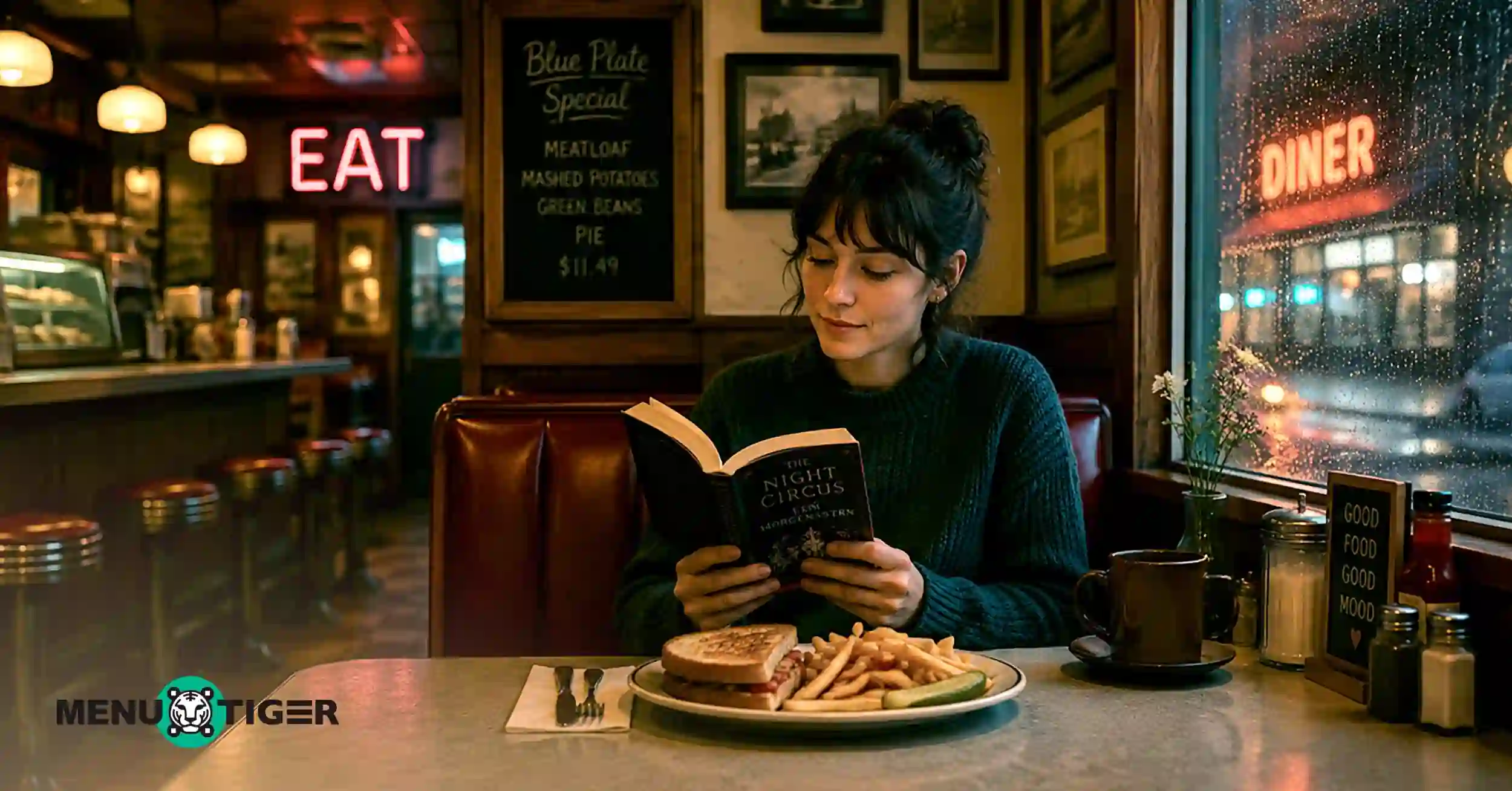
Solo Dining: Why Restaurants Should Cater to Tables for One
Last Updated: July 21, 2026
Solo dining is becoming a mainstream dining behavior rather than an occasional necessity.
Yelp reported a 271% rise in the search term “solo dining” and a 157% rise in the search result of “best place to eat alone”.
With nearly half of Millennials and Gen Z diners eating alone weekly, restaurants have an opportunity to serve a growing customer segment better.
While some consumers may still feel hesitant about dining alone, changing social norms, remote work trends, and a reliable online menu ordering system have contributed to growing acceptance of dining solo.
What is solo dining?
Solo dining is a practice of eating alone at a restaurant either by choice or by circumstances. Rather to view it as unusual, it has become a growing trend driven by changing lifestyles, remote work, and dining behavior.
Why has dining solo become popular?
Several factors have contributed to this:
- Many adults live alone and dine independently more often. Fox News 52% surge orders from dining solo as Americans embrace the ‘Me-me-me economy’ over a shared meal with others.
- People no longer eat lunch exclusively with coworkers. Research showed that about 44% reported eating alone during lunch breaks.
- Dining alone is a form of self-care rather than something to avoid.
- Travelers frequently eat alone while on work trips.
- Solo diners often prefer quick, flexible dining experiences without coordinating with others.

How solo dining benefits restaurants
OpenTable reported that 52% of Americans have plans to dine out by themselves this year, and the number of people eating solo has grown 10% year-over-year.
For restaurants, tapping into that statistic and joining restaurant dining trends that are gaining momentum can bring in a new type of customer to your business.
Successful suggestive selling
In 2023, 81% of Americans had tried solo dining, and by 2025, about 1 in 5 Americans continued to do so, according to OpenTable.
Those who dine alone spend 48% more than the average diner, with an average meal cost of $84.
Exploring what suggestive selling is helps you to know how diners are open to spending more when they’re alone.
Suggestive selling is a technique used by restaurant staff or restaurant technology to suggest what the customer should try and what additional items would pair well with the dish ordered.
This freedom in spending stems from solo customers being able to make quick decisions, choose premium dishes, and buy into staff recommendations without group hesitation.
Quicker table turnaround
A restaurant host who caters to solo diners can help achieve quicker table turnover.
Customers eating alone are less likely to engage in conversation at the table; they are more likely to order, finish their meal, pay, and leave without lingering.
Moreover, when restaurants use a QR code restaurant ordering menu or any type of digital menu, turnaround times can be significantly reduced because there is less need to wait for staff to take an order.
Draws in the working crowd
The Current Population Survey (CPS) states that 21.6% of the workers in the United States are working from home.
Skynova, an online invoice business, conducted a survey to see how Americans spend their lunch breaks, and in 2021, 30% of teleworkers used their lunch breaks to dine at a restaurant rather than make their own meal, even in the midst of a pandemic.
It has only grown from there as mid-week dining has risen 11% year-over-year. Remote professionals break up their work days by dining out, according to OpenTable.
Restaurant loyalty
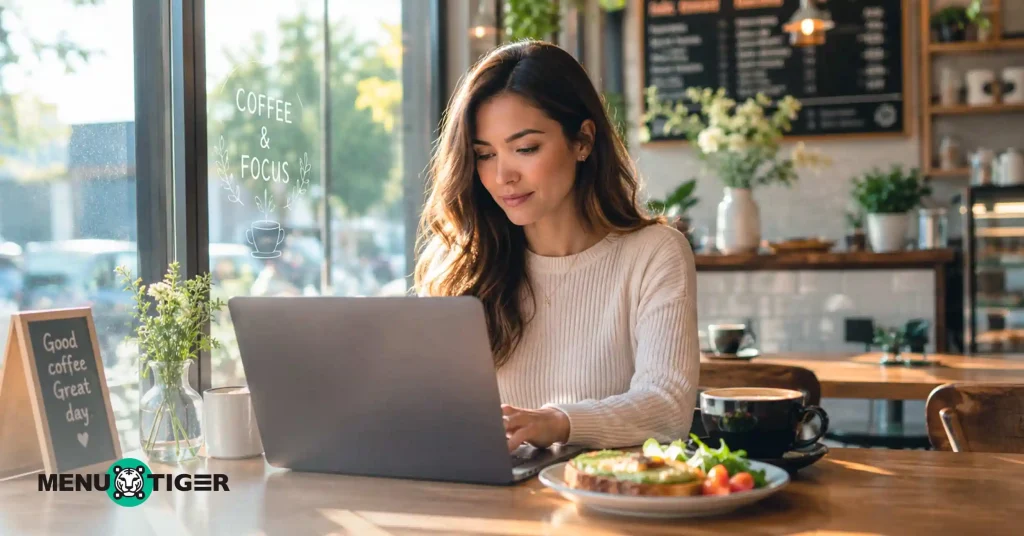
The concept of a “third place,” coined by sociologist Ray Oldenburg, refers to a comfortable place where people gather for a sense of connection and community.
Typically, third places are cafés, bars, libraries, parks, etc.
Now, third places like cafés and other cozy restaurants have become places of work as 70% of remote workers prefer working in that environment, according to the Office Principles (OP), an office consultancy firm.
OP says the draw of a café or restaurant for work is because professionals look for these 4 points: comfortable and social atmospheres, readily available refreshments, reliable Wi-Fi connectivity, and flexibility and choice in work environment.
By creating a welcoming, cozy environment for solo customers to dine, you will gain their loyalty as they return day after day to do their work or take time to de-stress.
3 Solo dining rules to make diners more comfortable
A research study identifies why solo diners have experiences that tend to seem less favorable than those who dine in groups.
The lack of auditory stimulation, engagement, menu limitations, and the fear of taking up space that is meant for more than just one person feeds into the feelings of emptiness and inconvenience.
Here are some practices to implement to make a solo diner’s experience enjoyable:
1. Maximize your floor plan
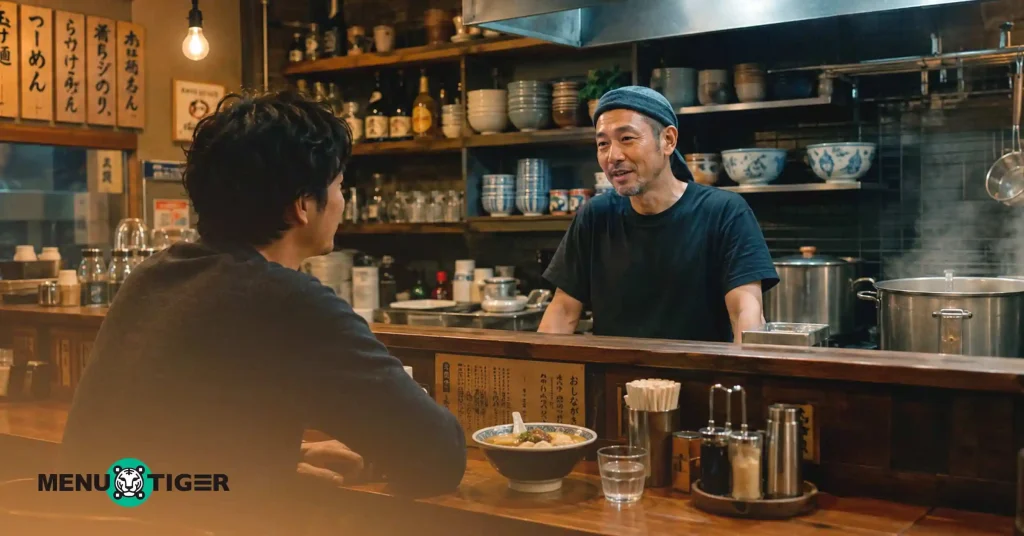
If your restaurant has counter and bar seating or communal tables, you already have the ideal restaurant floor plan to host solo diners.
Counter and bar seating can make first-time solo diners feel less awkward, and it opens the opportunity for the diners to speak to the bartenders or chefs on the other side.
90% of Gen Z customers enjoy sharing a table with strangers and connecting with them while dining out, according to Resy, an online reservation company.
Large communal tables that seat 8 or more are also a preferred table management layout for a restaurant catering to solo diners, as it is socially understood that a table that big can be for anyone to sit at and eat.
Additionally, any odd corner of the restaurant that seems too small to fit a regular-sized table can fit a table for one instead of that plant in there to take up space.
Making these solo spots feel purposeful rather than just a convenient use of space can help with the diners who feel that they are taking up space.
2. Offer “meals for one” options.
In Spain, most restaurants have a “Menú del Día” option, which is a three-course meal of varying options for a lower price; however, it is only to be ordered solo and not to be shared.
Understanding your restaurant’s demographics is also important in deciding what menu to introduce for solo diners.
Creating a deal or promotion of some kind can help draw in more solo cost-conscious diners, like that of Chili’s 3 For Me deal, which includes a drink, starter, and main dish for only $10.99.
This is a good restaurant profit margin strategy to maximize solo orders.
3. Proper table etiquette from staff
Proper table service is necessary so as not to touch on the potential insecurity a diner has from eating alone.
Questions like “Just for one?” or “Would there be anyone else joining you?” should be avoided at all costs, as they may make a customer feel inadequate and incompetent for not showing up to dine with anyone else.
Instead, practice suggestive selling or offer a promotion for the diner so that they may feel more accommodated.
Additionally, it is important to read body language. If a customer is there by themselves and clearly needs to de-stress, have restaurant staff only intervene to get their order and leave them be.

What are the advantages of using an online menu ordering system for solo diners?
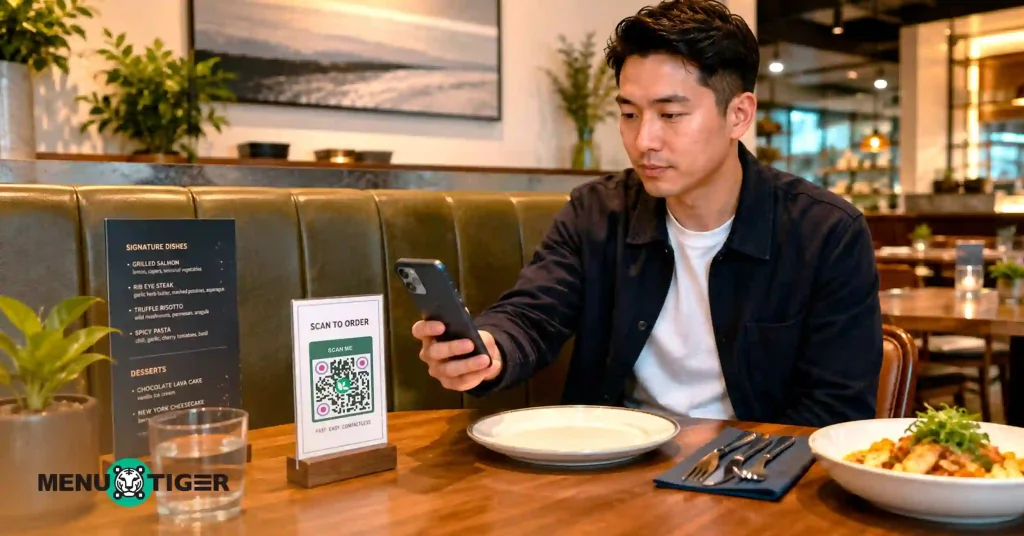
Implementing a QR code restaurant ordering system improves the experience for solo diners who prefer privacy or solitude.
Scanning a QR code provides diners with a menu to browse and order from, setting the pace of their dining and requiring less staff interaction.
When ordering from a MENU TIGER QR code, the process is straightforward as the order is sent directly to the kitchen, and payments can be made from a diner’s phone.
For restaurant operators, the QR code ordering system can provide insights into how many solo diners are coming to eat, what they are ordering, how much they spend on their meal, and even the length of time they spend dining.
These insights can then be used to create an effective marketing campaign built specifically to target the solo diners.
Serve your table for one with MENU TIGER’s assistance
Far from a passing fad, solo dining has evolved into a mainstream lifestyle and daily routine.
To keep pace with this lifestyle shift, a robust online menu ordering system is there to help you manage tables, orders, payments, and even future marketing campaigns.
By digitalizing these processes, restaurant owners can turn individual seats into highly profitable segments.
Maximize your restaurant space, craft dedicated solo dishes, and deploy QR codes at the table to seamlessly sync front-of-house customer ordering with back-of-house operations.
Frequently Asked Questions

Chevy
Before joining MENU TIGER's Content Team, Chevy has been dabbling in literary arts for five years, specifically creative writing in a theatre company. She loves exploring her creativity through painting, photography, and contemporary dancing.
Affiliates





© 2026 Menu Tiger. All rights reserved


