
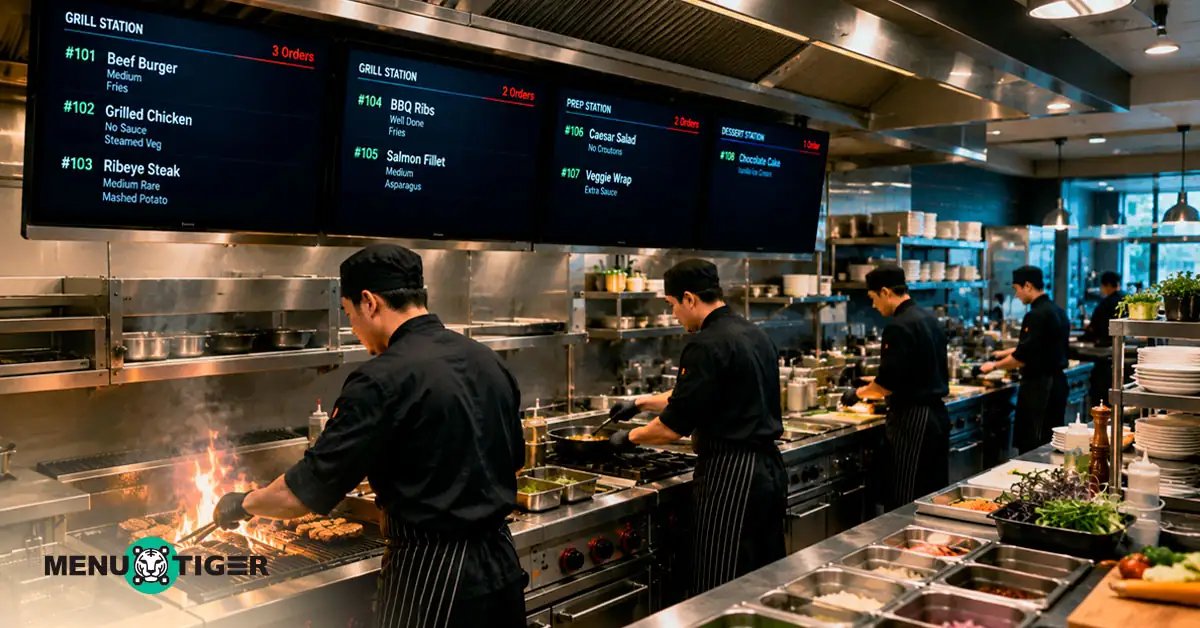
Top Restaurant Dining Trends in 2026: How to Modernize Your Restaurant
Last Updated: August 4, 2026
The restaurant dining trends have evolved in recent years, now shifting to a modern approach in serving customers.
The National Restaurant Association (NRA) reports that 73% of restaurant operators say modernizing has made their business more efficient since the pandemic.
One flag bearer of these trends is using restaurant techs like QR code menus, self-serving kiosks, etc., which, according to the 2026 Restaurant Business report, atleast 74% of people are comfortable using tools like these to order and pay, all accessed in their mobile phones.
But knowing what the trends are and why they are going viral will give you a whole new perspective on how you can leverage them to scale up your business.
Top 10 restaurant dining trends that are driving traffic
Unlike food trends, following restaurant dining trends is more of a commitment because it can mean overhauling a menu or service flow to chase a trend.
And while that can seem like a scary undertaking, finding and following a dining craze may be exactly what you need to inject some life and foot traffic back into your restaurant.
Economical Dining
Food inflation hit 2.7% in early 2026, with the short-term projections even reaching about 2.9%.
According to OpenTable, a restaurant reservation service, 51% of Americans are more likely to eat in a restaurant if offered dining deals, loyalty points, and promotions.
Large plates or “family-style” shared dining plates have become one of the more trendy ways to order.
Ordering large plates for the table to share makes it a little easier on the pockets and gives everyone a communal dining experience to discover and share the flavors.
Experiential Dining
Seemingly one of the more popular fine dining trends, experiential dining is a type of dining that takes a restaurant theme or special location and an experimental or specific menu to create an extremely immersive experience that is unlike any other dining experience.
An OpenTable reports that dining experiences have gone up by 46% in 2025 and that 37% of customers would like to try more in 2026.
Experiential dining does not have to be so costly; a good concept is all that is needed.
Slow Food
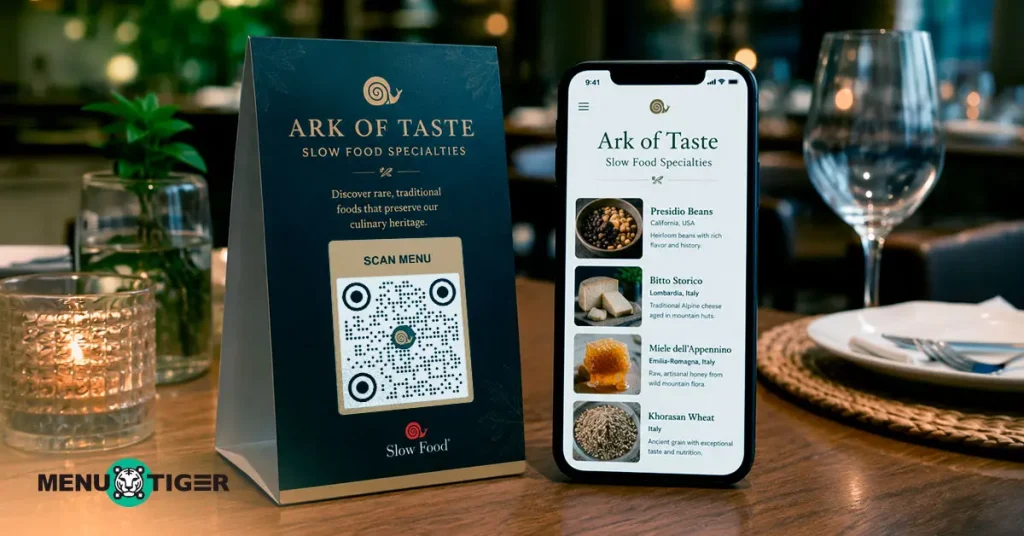
Founded in Bra, Italy, in 1986 by Carlo Petrini, the Slow Food movement has become a worldwide phenomenon that reaches 160 nations, such as the United States, the United Kingdom, Kenya, Brazil, and the Philippines.
Wherever you are in the world, Slow Food promotes the local culture by boosting traditional cuisines and what can be sustainably cultivated from the biodiversity of the region.
The movement’s advocacy lies in the push for good, clean, and fair food.
The movement also helps bridge the gap between restaurants and the suppliers by educating them and organizing the proper facilities for slaughter and cultivation.
Wellness Menus
“Fibermaxxing” and “proteinmaxxing” are now mainstream search terms on social media.
This new diet-based trend has hit global social feeds, as 64% of people are more health-conscious, according to a Pfizer report.
By 2028, the popularity of protein ingredients is projected to grow the protein market to $86 billion, which is a 41% increase from 2024, according to MarketsandMarkets, a market research firm.
Recently, there has been a shift towards plant-based diets for health and wellness reasons, as plants are rich in fiber, minerals, and natural vitamins.
Additionally, as more and more people become environmentally conscious, choosing a plant-based diet will cost a lot less water, land, and energy than its meat counterpart.
Fusion Cuisine
One of the in-vogue restaurant dining trends is fusion.
Fusion Cuisine has been around since the existence of trade routes. It is the combination of ingredients from two or more cultures into one recipe or dish.
Popular cuisine combinations often include: Japanese/Peruvian, Mexican/Korean, Chinese/Filipino, Spanish/Filipino, American/Japanese, American/Mexican, Indian/Chinese, and so much more.
Fusion is also known as “Borderless Cuisine”, as it is the bridging together of cultures through unusual groupings of toppings and ingredients, all the while providing customers with a way to experience more than one culture in just one bite.
Smart Dining
Keeping up with all the restaurant technology trends is one way to set you apart from all your competitors and make you popular with your customers.
According to the NRA:
- 85% of restaurants have contactless ordering options, as customers prefer them
- 92% of restaurant owners have given positive feedback for making the smart switch.
- 57% of all adults would scan a QR code menu when ordering at the table, rising to 69% of Gen Z and 78% of Millennials
- 50% restaurant operators say that they would devote more resources to make their service and menu management more productive via technological advancements.
Sustainable Dining
Blue Yonder, a supply chain management company, conducted a survey, and 78% of its respondents reported that sustainability is important for them when buying a product or shopping at a retailer.
60% of respondents replied that they only purchase sustainable food products.
Bringing sustainability to every aspect of your restaurant is not just the trendy thing to do, but it is what is needed when trying to be environmentally conscious.
Specific sustainable trends in the restaurant industry include: locally sourcing the ingredients, reducing food waste, having compostable packaging, and using eco-friendly materials in restaurant service.

Fast-Good Food
Clean eating has moved into fast food. One of the fast food trends of 2026 is fast-good food, as it is fast food but organic, healthy, and sustainable.
According to the Soil Association, a certification body in the UK, 70% of consumers are interested in organic food options when they dine out, which is a 45% rise from 10 years ago.
Typically, the “organic” option has been known as the more costly option, but as a fast-food service, you can introduce clean and fresh food at a more affordable rate and casual setting, which is the most appealing dining experience to 50% of Americans, according to OpenTable.
Restaurant Boutiques
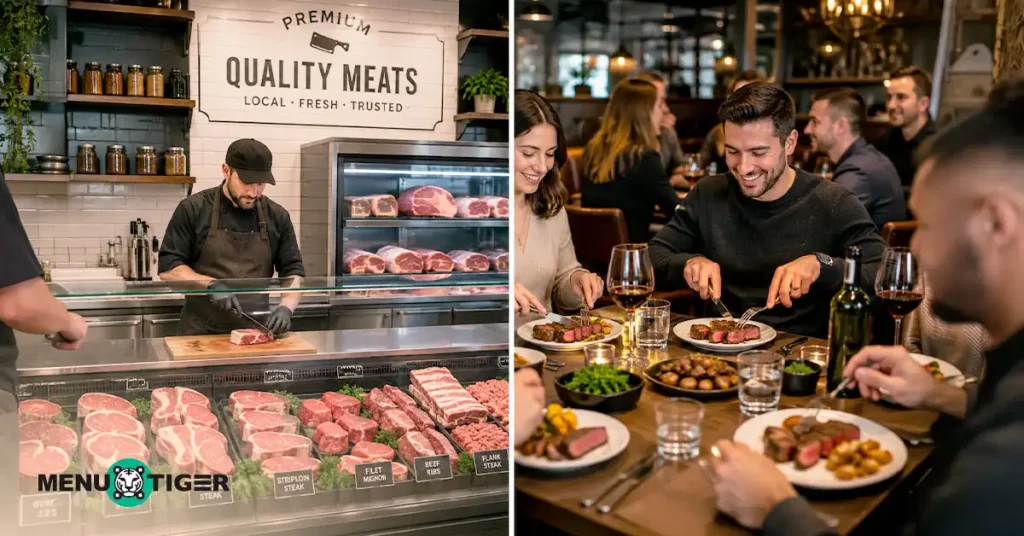
Restaurant boutiques are a combination of a store and a restaurant. For example, a fish market where you can pick out the fish and have the chefs cook it in that manner, you would like to enjoy that meal on site.
The reason this trend clicks with customers is that there is more of a sense of personalization and autonomy over what you eat, as you bought the product and ingredients to make the meal.
It also makes for a much more engaging concept and can encourage more interaction with your customers and build a stronger, more loyal relationship with them.
Single-Product Concepts
A single-product restaurant only specializes in one thing and serves it in many different ways. This can also be known as a specialty restaurant.
Yes, this may seem like a gimmick, but it is an extremely popular one, as time and time again, restaurants have seen lines around the block just for customers to come in and order the same food but in many different flavors.
You might have heard of the “sando,” also known as the fried Japanese cream-filled sandwich from the restaurant Age. 3 in Tokyo that has hour-long waits in lines, or the flower bouquet ice cream found in Kyoto that can sell out before you even decide on a flavor.
Global food trends to add to your menu this 2026
If the commitment to a whole new dining experience is daunting, maybe following food trends is the way to go, as it is just an addition to your menu, but with all the perks of offering a new experience for your customers.
Here is a compiled list from the notable food industry titans, like the Michelin Guide and the James Beard Foundation, of the food trends of 2026:
Open-fire cooking
Smokiness and char have become popular flavors again as there is a big push to grilling and open-fire cooking.
As popular as barbecues and other flame-cooked dishes are in Texas, the rest of the world is following suit and trying out the earthy, burnt flavors of a well-grilled dish.
For example, a Basque-style open-fire restaurant named Brat in London received its first Michelin stars within its first year of business, and other Michelin-quality smoke houses opened their doors around the world, from Kyoto to Kuala Lumpur.
Southeast Asian cuisine
In 2025, there was a massive addition of different Southeast Asian restaurants and dishes to the Michelin Guide. In fact, in May 2026, a Thai restaurant called Khao Bird in London received its spot in the Michelin Guide, further showing the growth of Southeast Asian influence.
The reason for Southeast Asian cuisine's popularity is that it melds together a lot of the previously mentioned trends that are deeply rooted in tradition and sustainability in its practices.
Additionally, despite being a small corner of the globe, Southeast Asian cuisine is very varied and diverse, being able to lend itself well to fusion.
From Nose-to-Tail food
The sustainable way of cooking is that if an animal must be slaughtered, then at least use every piece of it to reduce waste and honor its sacrifice.
Sayat Ozyilmaz of Dalida, a James Beard Award semifinalist, stated that they use every part of the animal and incorporate it into the dish, and that “the goal is to show respect for the product, not to shock the diner.”
Use crab bodies to serve your crab dish, show off the bone when serving bone marrow, grill up pork ears as chips to add crisp to your dip, and stew the oxtail for your osso buco.
There are so many different creative recipes to follow or ways to present your dishes from nose-to-tail.
Non-alcoholic beverages
In the push for a better, healthier lifestyle, a massive food trend is low-ABV drinks as a way to drink in a sessionable manner without overdoing it, or a complete shift to non-alcoholic drinks as a whole.
EisnerAmper, an advisory company that oversees many different sectors, has stated that while beverages have been experiencing rapid growth, there has been a 350% year-over-year increase in non-alcoholic cocktail sales.
Drink pairings
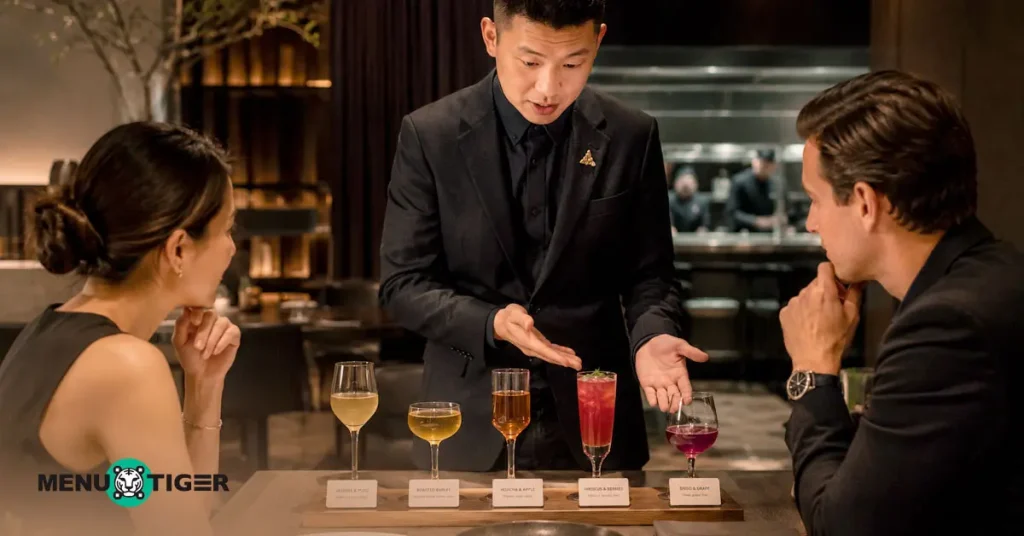
With the aforementioned pivot from alcoholic beverages, it is now necessary to redefine what we mean by “drink pairing”.
Still, as much as drink and food pairing usually points to wine, we have now seen a shift to creating pairing options of tea, juices, infusions, and other beverages.
In Beijing, a two-star Michelin restaurant named Lu Shang Lu has an in-house tea sommelier to reimagine what we think of when we say drink flights.
While in Tokyo, MAZ, another two-star Michelin restaurant that serves Peruvian food, has created a non-alcoholic experience of infusions, extracts, and elixirs to pair with the food.
How MENU TIGER helps you act on these trends
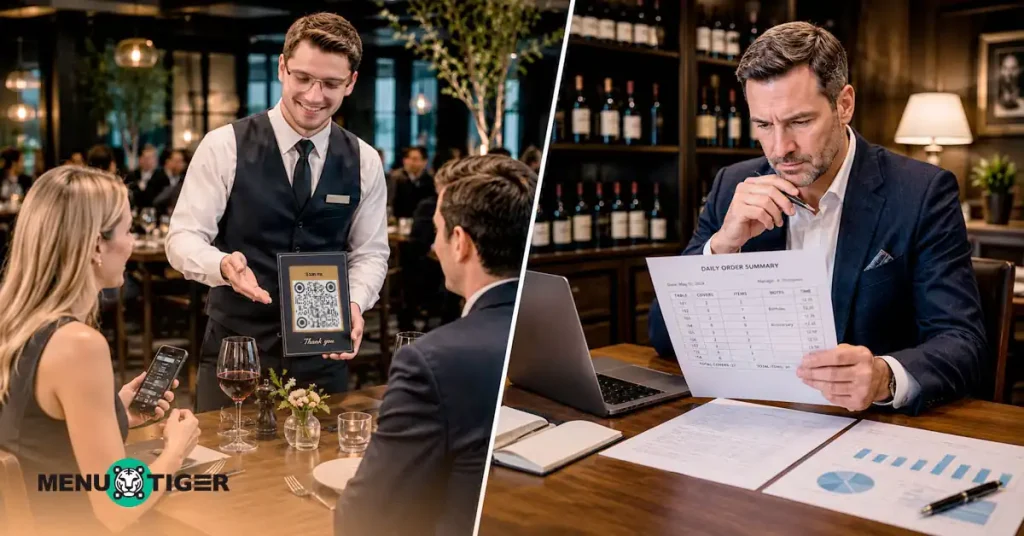
Deciding to follow a trend is easy. Executing it efficiently, without adding operational chaos, is where most restaurants struggle.
A QR code restaurant ordering system through MENU TIGER gives you the infrastructure to implement these changes and track what's working.
Here's what the platform does:
- Interactive QR code menu – update dishes, prices, and promotions in real time without reprinting anything
- Order data and sales insights – see which items sell, which don't, and make menu decisions based on actual data
- In-house ordering as your delivery system – use the same platform for dine-in and online delivery, cutting third-party commission costs.
- Table management and POS integration – run your entire service operation from one system.
When you're testing a new fusion dish, launching a wellness menu section, or rolling out a family-style pricing structure, you can make the change in minutes and start tracking performance immediately.
Adapting to new dining trends with a QR code restaurant ordering system
The restaurant industry moves fast. The restaurants that stay competitive are the ones that track where customer behavior is going and have the operational tools to respond quickly.
Following the food and restaurant dining trends in this guide gives you direction. MENU TIGER gives you the system to execute without the overhead.
Start with one trend. Update your menu. See what your customers respond to. Then build from there.
FAQs

Chevy
Before joining MENU TIGER's Content Team, Chevy has been dabbling in literary arts for five years, specifically creative writing in a theatre company. She loves exploring her creativity through painting, photography, and contemporary dancing.
Affiliates





© 2026 Menu Tiger. All rights reserved