
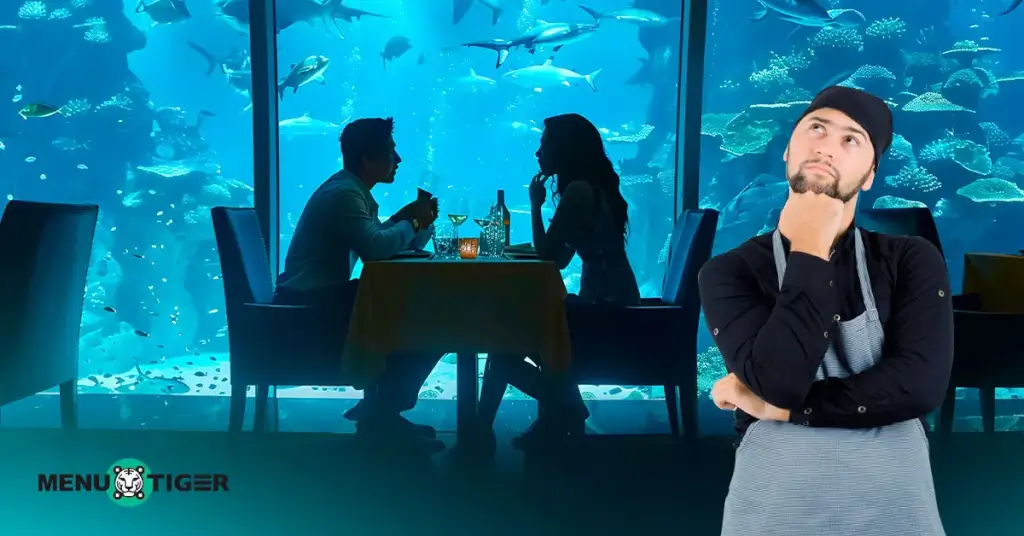
Experiential Dining: Definition, Ideas, and Future Trends
Last Updated: June 17, 2026
The restaurant industry has such a saturated market. In the US alone, you’ll find over 660,000 restaurants competing on price, food quality, and service (Entrepreneur, 2025). Experiential dining helps restaurants differentiate through interactive tasting menus, themed nights, and multi-sensory courses that guests remember.
This shift is not driven by aesthetics alone, but by evolving customer demand, as modern diners increasingly seek meaningful and memorable dining experiences rather than just a meal.
As expectations continue to change, restaurants that adopt experiential elements are better positioned to capture attention and remain competitive in an experience-driven market. Here’s what we know so far.
What is experiential dining?
Experiential dining, often called immersive dining, takes the restaurant experience beyond serving food by creating an engaging environment through menu themes and themed spaces, unique locations, or new setups that turn a meal into something guests can feel, enjoy, and remember.
This approach aligns with the concept of “experience economy,” where value is placed not only on products and services but also on memorable interactions.
In fact, studies like Gastromotive Dining: Using Experiential Multisensory Dining to Engage Customers on ScienceDirect finds this restaurant experience a good customer-getter than your normal dining setup.
The study found that customers value experiences as much as products and services. And as a result, restaurants use experiential concepts to attract attention, increase customer retention, and encourage repeat visits.
The rise of experiential dining: Market size and trend
Market Intelligence proved that the global experiential dining market is projected to reach $47.6 billion by 2033 — growing at a 23.5% CAGR (2025–2033). North America leads both in size and adoption.
The reasons behind this growth include:
- Consumer demand for unique dining experiences
- Fusion of food and entertainment
- Restaurants seeking competitive differentiation
- Growing interest in diverse food cultures
Current market trends include:
- Themed and immersive dining
- Pop-up dining concepts
- Technology-driven dining experiences
- Celebrity chef-led dining
- Multi-sensory dining experiences
Experience-based dining has seen strong year-on-year growth of 18.9%, reflecting increasing consumer demand for innovative restaurant experiences.

The different types of immersive dining experience
The different types of immersive dining experiences go beyond food, combining atmosphere, storytelling, and innovation. With restaurant technology trends today, these concepts are becoming smarter, more personalized, and moreengaging for every guest.
1. Themed dining experiences
Restaurants often start with a strong central restaurant theme or concept.
Examples include fantasy settings, movie-inspired environments, vintage or retro concepts, and cultural or regional themes.
Themed dining can create immersive appeal without expensive technological investments.
2. Interactive dining
Interactive restaurants lets guests participate in preparing or customizing their meals.
Common formats include cook-your-own meals like Korean BBQ or hot pot, chef’s table experiences, and DIY plating or menu customization.
This style drives engagement, especially among Gen Z and millennials who prefer hands-on dining experiences.
3. Multi-sensory dining
Multi-sensory dining engages all five senses through elements like lighting effects, soundscapes, scents and aromas, and visual projections.
Some restaurants report up to a 17% increase in ticket value when multi-sensory elements are added (Virtue Market Research, 2024).
4. Tech-driven or digital dining
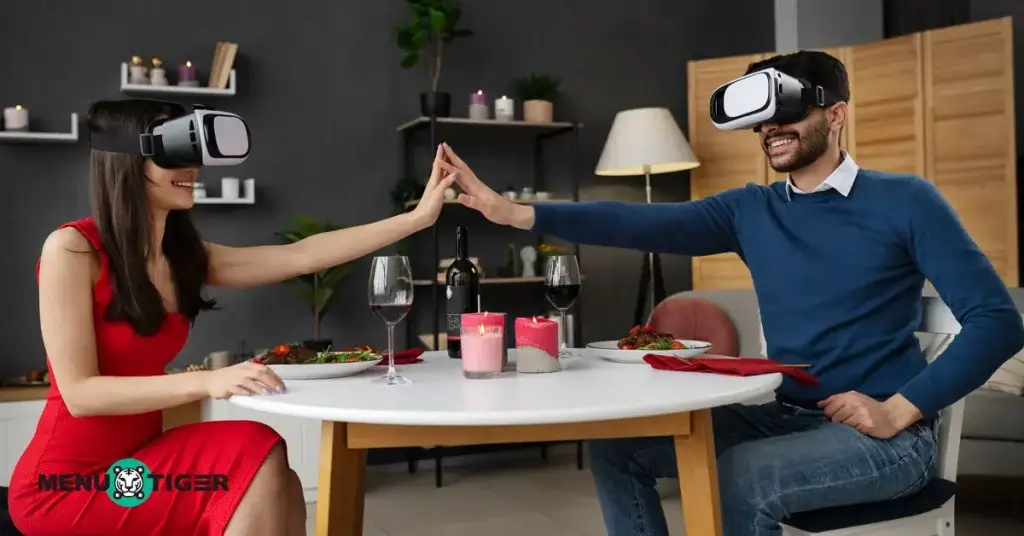
Restaurant technology enhances digital dining experience through AI for restaurants and AI-driven personalization, AR menus, projection-mapped tables, and restaurant ordering systems.
Restaurants using these tools report higher revenue and increased customer spending (Virtue Market Research, 2024).
5. Performance-based dining
Performance-based dining turns restaurants into live stages.
Examples include jazz performances, cultural dance shows, theatrical performances, singing servers, and interactive entertainers.
These experiences heighten engagement and entertainment value.
6. Destination or location-based dining
Unique settings attract attention and premium pricing.
These include sky-high venues, underwater dining, and remote natural locations.
The concept usually charge premium prices and appeal to tourists or special-occasion diners.
7. Story-driven dining
Story-driven dining weaves narrative storytelling into food and performance.
Such experiences include murder mystery dinners, character-driven dining shows, and sequential storytelling menus.
Story-driven experiences encourage customers to purchase premium packages.
8. Pop-up and experimental dining
Pop-up restaurants have expanded rapidly because it adapts to varied spaces and creates highly shareable moments.
Examples include secret or hidden locations, seasonal menus, and collaboration-based events.
Restaurants across the globe that took meals to the next level
Learn from these immersive concepts on how they leverage customer experience to drive sustained growth and engagement.
1. Space 220 at EPCOT (Walt Disney World, Florida, USA)
Guests board a simulated “space elevator” that delivers them to a dining room framed by enormous digital windows showing Earth and floating astronauts.
The environment immerses diners in a space-station setting, blending themed storytelling with futuristic visuals.
2. Le Petit Chef (Global Pop-Up Concept)
A small chef is animated on each table, its 3D movements timed to every dish. The animations match the food, making the meal feel like a miniature theatrical performance.
3. Oasis Cafe (Ho Chi Minh City, Vietnam)
Oasis Cafe is a “hidden gem” with sunken European-style dining pods surrounded by koi ponds. Guests escape the city bustle and dine in a calm, garden-like fantasy environment.
4. Teppanyaki Dining (Japan, Global)
Teppanyaki originated in Japan and has spread globally, popularized by Benihana.
Chefs showcase knife expertise through flaming onion displays, precise ingredient flips, and sizzling grill techniques.
TikTok has made it especially famous with the viral egg-tossing challenge.
5. Chongqing Huang Yuming (Chongqing, China)
This mountain-view BBQ restaurant offers panoramic skyline views that make the meal a visual experience.
Since Chongqing is known for its layered terrain, the dining room is purposefully designed to maximize sweeping views.
6. Netflix Bites – Pop-Ups (Los Angeles, USA)
Netflix Bites transforms popular shows into themed dishes. Menu design incorporates titles like Stranger Things, Bridgerton, and Squid Game, turning familiar screen moments into edible experiences tied to storytelling.
7. Hanoi Train Street Cafe (Hanoi, Vietnam)
Hanoi Train Street Cafe sits beside active railway tracks where trains pass inches from diners.
The experience evolved naturally from homes and cafés built close to the tracks, and the passing trains became the main attraction.
8. Sci-Fi Dine-In Theater (Disney’s Hollywood Studios, Florida, USA)
Sci-Fi Dine-In Theater Restaurant recreates a 1950s drive-in theater with vintage car booths, a starry ceiling, and a large screen playing retro sci-fi clips, combining nostalgia with dining.
9. COSM Dome (United States, Emerging Concept)
COSM Dome blends cinema, gaming, and dining in large-scale dome venues. Massive LED screens and real-time rendering immerse guests in 360° visuals, surrounding them with content instead of a simple view or screen.
10. Rainforest Cafe (Multiple Locations including California, USA)
Founded in 1994 by Steven Schussler, Rainforest Cafe recreates a tropical rainforest with animatronic animals, lush greenery, and periodic “thunderstorm” effects of lights, sound, and mist, turning dining into an immersive adventure.
5 essential considerations for restaurant operators
Even if you do not fully adopt experiential concepts, ensuring safety for both staff and customers remains essential.
1. Physical safety
Restaurants must meet construction and operational safety standards.
Action items:
- Obtain all required permits before renovation or build-out
- Adhere to building codes and safety regulations
- Install secure lighting, themed structures, and surveillance systems
- Conduct regular structural inspections and risk assessments
Pro tip: The most effective financial risk management is to cut risk completely. Invest and hire professionals to ensure compliance, reduce costly mistakes, and avoid delays during construction and operations.
2. Food safety and hygiene
Food presentation and interaction are secondary to proper handling.
Action items:
- Warn guests about unusual or hazardous items
- Train staff in safe food handling and serving procedures
- Maintain strict kitchen and dining cleanliness
- Follow local health authority guidelines
3. Restaurant technology safety
Digital menus, AI for restaurants, and payment systems online increases exposure to cyber threats.
Priorities:
- Use secure, cloud-based digital menu systems
- Protect customer data with encryption and segmented networks
- Update software regularly, applying patches monthly
- Train staff with quarterly cybersecurity drill
4. Accessibility and Inclusivity
Dining experiences must be enjoyable for everyone.
Action items:
- Provide wheelchair-accessible entrances and seating
- Offer accessible digital menus
- Include sensory-friendly options for guests with sensitivities
- Train staff to assist guests with diverse needs
5. Staff training and guest guidance
Well-trained staff reduce accidents and enhance experiences.
Action items:
- Train staff in emergency procedures and safety protocols
- Provide clear instructions for interactive or immersive elements
- Guide guests to avoid confusion or accidents
- Ensure knowledge of order management and other restaurant technologies
- Conduct regular drills and refresher training
Dining should be felt, not just served. Make the shift now.
Experiential dining reflects a shift where success is no longer defined by food alone but by the overall restaurant experience.
As customer demand continues to grow for engaging, immersive, and memorable dining, restaurants that integrate experiential elements can stand out in a competitive market.
By combining creativity, technology, and operational safety, operators can capture attention, strengthen customer relationships, and remain relevant in an experience-driven industry.
FAQS

Eulla
Eulla joined MENU TIGER’s Content Team with a foundation in English teaching. She combines language expertise and creativity to produce engaging content that educates audiences and drives meaningful results.
Affiliates





© 2026 Menu Tiger. All rights reserved