
Pop-Up Restaurant Guide: What It Is and How to Host One
Last Updated: June 17, 2026
Opening a permanent restaurant is a high-risk venture that often involves putting up huge upfront capital and long-term leases. Although the industry’s first-year failure rate has reportedly dropped to just 0.9% in 2025, the decrease is minimal, showing that very few new restaurants actually survive.
That is why pop-up restaurants became a key strategic alternative.
A pop-up allows owners to test menus and grow brand equity without the headache of having permanent overhead, while also validating market demand at much lower liability.
With flexibility top of mind for modern businesses, the pop-up functions as a refined “proof of concept” for the next wave of restaurateurs.
This guide explains the key costs, logistics, and 10 steps required to deliver a successful high-impact pop-up.
What is a pop-up restaurant?
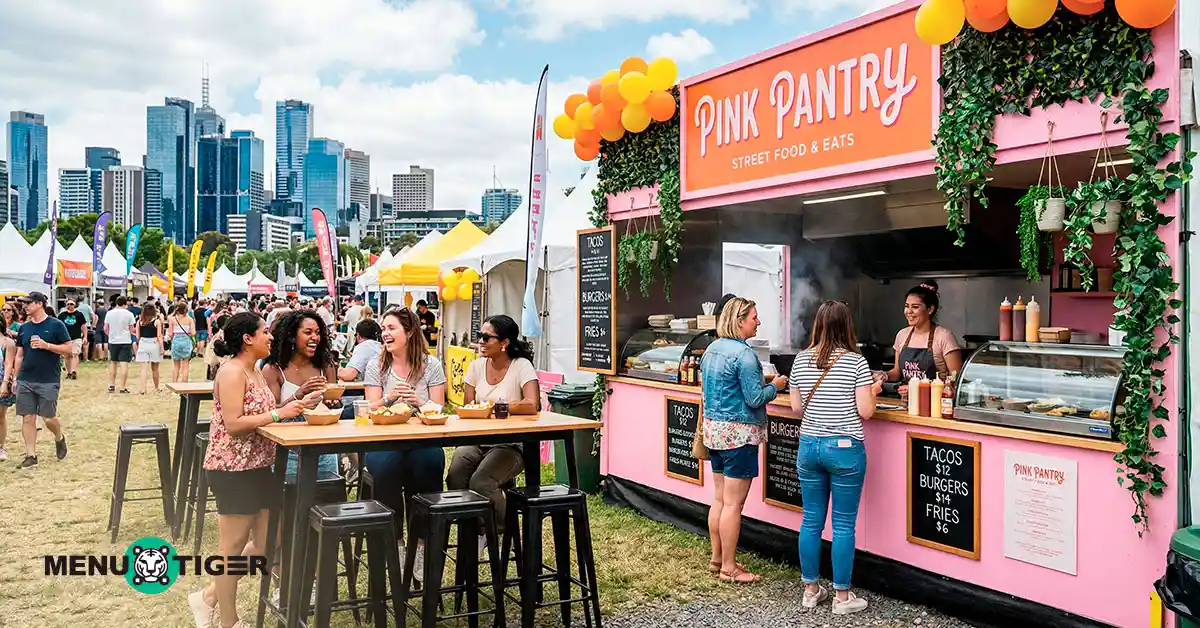
A pop-up restaurant is a temporary dining concept running for a limited period and usually with no fixed location. It goes from one point to the next.
Some pop-ups are actually hosted within pre-existing restaurants, rental spaces, or other established venues. But many opt for experiential dining locations so that they can draw guests in with the novelty of their environment.
One good example of this is Dinner in the Sky, a dining concept where guests are seated at a table that is ladders high off-the ground.
According to the official Dinner in the Sky website, the event has been held in more than 65 countries on five continents, delighting diners with breathtaking views and a truly memorable meal.
The temporary nature and infrequent availability that are standard features of pop up restaurants often generate enormous public demand and industry media buzz.
How much does it cost to open a pop up restaurant?
The cost of hosting a pop up restaurant depends on where you’ll have it and what you intend it to be. However, industry research says that generally speaking, typical costs are as follows:
- Basic setup pop-up: $2,000–$10,000 for a straightforward event with little equipment and licenses. (Financial Model, 2025)
- Standard short-term pop-up: $rages from $5,000–$15,000 including rented space, staff on a short-term basis and marketing costs. (Startup Financial, 2025). Short term pop-ups, as per Hospitality Insights also read in this same range but with a variation of $3k–$15K.
- Large or highly produced pop-up: $20,000–$30,000+ for multi-weeks of events with full build-out, team and advanced level brand. (Financial Model, 2025).

10 steps on how to host a successful pop-up restaurant events
1. Define your purpose clearly
All great pop-up spaces start with a clear goal. Are you:
- Trying out a new concept before you open up for real?
- Building brand awareness?
- Launching a seasonal menu?
- Building a VIP dining experience?
Your purpose determines your price structure, what type of location you choose, the demographic scope you target, the restaurant themes and concepts, and the marketing message.
Set measurable goals (300 covers in 3 days, 25% growth of e-mail list, 70% interesting return guests). Without metrics, a pop-up is just an expensive hobby and not a strategic business decision.
2. Research and validate
Before spending capital, validate demand.
You should conduct:
- Analysis of your target market (demographics, spending power, dining habits)
- Competitor analysis (pricing, positioning, strengths/weaknesses)
- Customers' validation (surveys, tasting events, polls on social media))
It is better to look at how brands like David Chang’s Momofuku tested and refined bold menu ideas through constantly evolving restaurant menus and limited concepts before expanding them to new locations.
3. Create a business plan

Approach your pop-up as if it were a full-scale restaurant. Your business plan should include:
- Concept positioning
- Target market profile
- Revenue projections
- Cost structure (COGS, labor, rent, marketing)
- Break-even analysis
- Risk mitigation plan
A pop-up might be temporary, but financial mismanagement is a permanent state. So to properly set your eye on your goal, remember these industry standard benchmarks:
- Food cost: 28–35%
- Labor cost: 25–35%
- Prime cost (food + labor): 65% or less
Note: These benchmarks act as a reference point so you can see whether your pop-up is performing in line with typical restaurant operations.
Document everything. Structured planning is also respected by partners and investors.
4. Secure location
When considering a potential pop-up restaurant space and location, pay attention to the foot traffic and how it correlates to your target market.
If you’re aiming for the GenZ market, for example, putting your pop-up right next to the summer’s biggest event or festivals like Coachella would make it possible for a relatively unknown brand to get in front of millions of people.
But regardless of your purpose, when it comes to selecting a location, always assess:
- Kitchen capacity
- Utility access
- Storage
- Accessibility
- Local dining behavior
Select a site that enhances your brand image. A fancy tasting concept in a casual food hall could be confusing to customers and cheapen perceived value.
5. Prepare legal requirements
Make sure to stay compliant with regulations. Before you even open your pop-ups, make sure you have these documents all sorted out:
- Business registration
- Food service permits
- Health department approval
- Liability insurance
- Temporary event permits (if applicable)
Local pop up restaurant legal requirements and regulations must be complied with regarding health inspections and food handling and safety protocols. Keep records and train employees on hygiene standards.
Having this works as a trust factor for customers and for legal sectors, which allows you to operate without risks and hassles.
6. Develop pop up menu
Your pop-up menu should be:
- Focused (limited Stock Keeping Units)
- Operationally realistic
- High-margin
- Brand-aligned
Avoid overcomplicating your menu and align it with your kitchen management plan. Tight menus minimize waste, enhance speed, and guard against inconsistency.
Use ingredient cross-utilization. One base sauce, say, adapted into multiple dishes; shared prep components across items.
Create your menu using contribution margin analysis. Highlight high-profit, high-popularity items.
7. Prepare equipment and supplies
Poor preparation causes operational failure. And you wouldn’t want that.
Build restaurant food supplier relationships early. Be flexible on small-batch negotiations — pop-ups run shorter cycles.
For the first launch, always over-prepare essentials and under-purchase perishable specialty items.
Additionally, test your service and equipment, especially restaurant technology such as digital menus and kitchen display systems, before launching.
Conduct dry runs to identify potential bottlenecks during peak hours.
8. Marketing
Your restaurant marketing should create anticipation. So keep a tab on these things:
- Social media countdown campaigns
- Influencer previews
- Email marketing
- Local partnerships
- Press releases
Look into food market brands like Smorgasburg, which turned pop-up culture into destination dining through consistent branding and media engagement.
9. Launch with operational precision
In launch, the key is not to view the pop‑up as just an entertainment experience but also your best chance at observing your market and projecting your business outcomes.
What you will prepare:
- Briefing staff and rehearsing service flow
- Restaurant ordering system testing
- Reservation management
- Contingency planning
What you will track:
- Average ticket size
- Table turnover rate
- Customer feedback
- Inventory movement
Pro tip: Pay attention to the perspective in every pop-up hosted by high-profile personalities or celebrities, they are always visible on the floor. Guests bond with and perceive loyalty to founders who engage directly, gathering real-time insights.
10. Analyze data with order management system
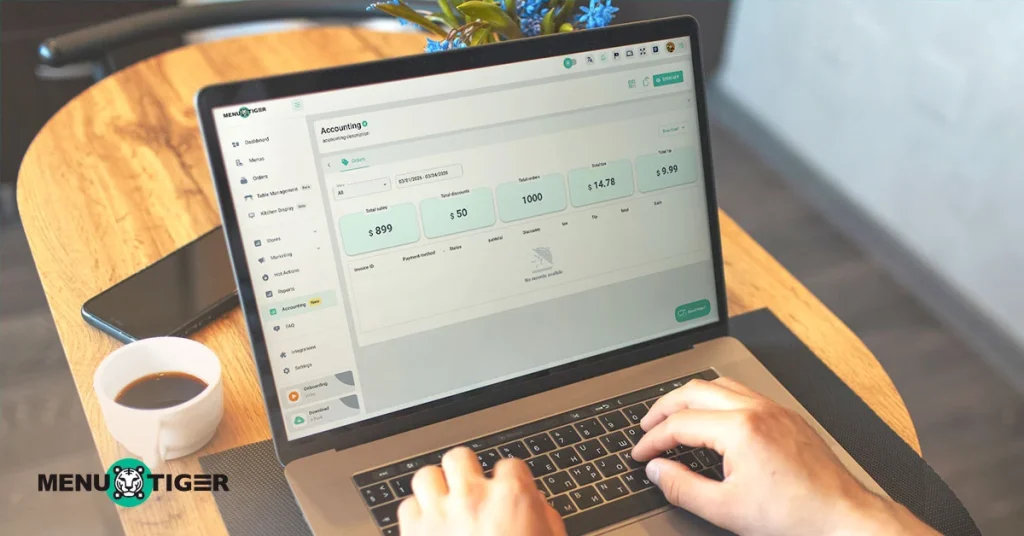
The most overlooked step—and the most powerful—is post-event analysis.
Use an Order Management System (OMS) or POS analytics to evaluate:
- Best-selling items
- Peak service hours
- Average order value
- Customer return patterns
- Inventory usage vs. waste
- Labor efficiency
- Low-performing dishes from survey for food system
Turn data into strategic decisions:
- Remove low-margin items
- Increase prices on high-demand items
- Adjust staffing during slow periods
- Refine menu engineering
Data transforms a pop-up from an event into a scalable concept. Without analytics, you operate on emotion. With data, you operate on strategy.
Document lessons learned. Use insights to improve your next activation—or to justify opening a permanent location.
The pros and cons of running a pop up restaurant
The advantages and disadvantages of running a pop up restaurant are detailed below.
Pros of pop-up stores
Reduced financial risk
A pop up restaurant needs little upfront capital compared to running an establishment full-time — so with its limited investment you have the opportunity to try out your ideas without committing funds on long term leases.
Flexibility
You can experiment with different types of menus and their prices, locations, demographics, and themes. This freedom allows you to adapt quickly to customer feedback or seasonal trends.
Brand exposure and buzz
One-off events are almost always something for the press or social media to trumpet. Pop-ups can attract press, social media attention, and a loyal following for future ventures.
Market testing
You can evaluate how customers respond to your food, pricing, and concept before scaling up to a permanent location.
Networking opportunities
Hosting in shared or collaborative spaces can connect you with suppliers, local businesses, or investors interested in innovative culinary projects.
Cons of pop-up store
Limited timeframe
Because pop-ups are temporary, building consistent revenue is challenging. You must maximize impact in a short period.
Operational challenges
Limited kitchen space, temporary equipment, and a short setup window can strain staff and complicate service.
Marketing pressure
Success heavily depends on creating urgency and attracting customers quickly; poor promotion can lead to empty tables.
Unpredictable costs
While lower than a permanent restaurant, pop-ups can still be expensive if location, staffing, décor, or marketing go beyond budget.
Regulatory and compliance hurdles
Temporary permits, health regulations, and insurance requirements vary by location and can delay your launch if not handled properly.
Test your restaurant idea without the high stakes.
If you’re aspiring to be a chef who wants to develop a signature style, or an existing brand looking for a new geographical market, the pop-up restaurant offers a strategic way of getting it right in a low-stakes environment.
Building a ten-year lease isn’t what takes a culinary concept into a success, it’s the execution.
Using tools like a restaurant ordering system can also help streamline operations and improve the overall dining experience from day one.
The future of dining will be flexible, experiential and more mobile than ever. If you have a vision that is sharing worthy, now may be the time to dip your toes into the water and try your hand at launching your own pop-up business.
FAQs

Eulla
Eulla joined MENU TIGER’s Content Team with a foundation in English teaching. She combines language expertise and creativity to produce engaging content that educates audiences and drives meaningful results.
Affiliates





© 2026 Menu Tiger. All rights reserved