
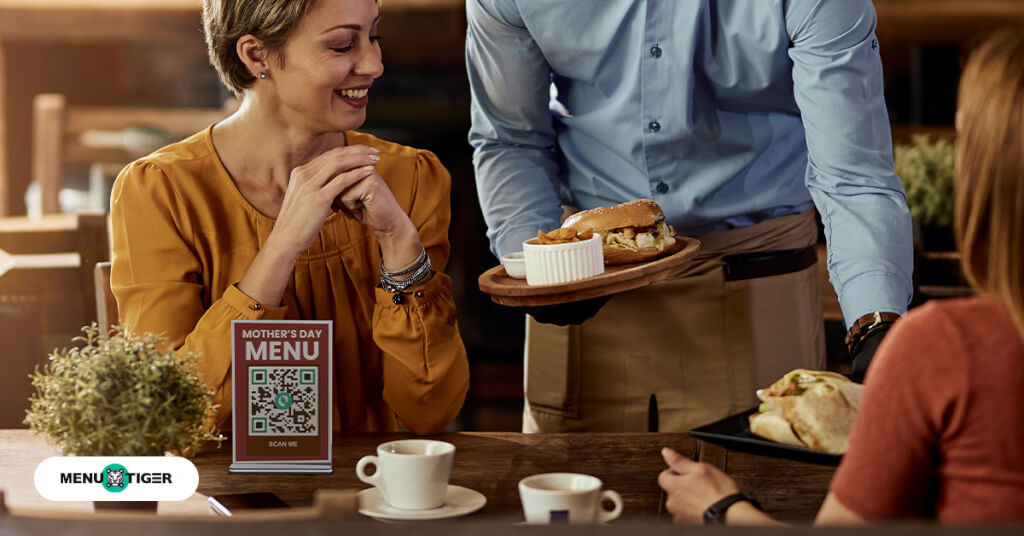
Mother’s Day Restaurant Specials 2026: Promo and Menu Ideas Guide
Last Updated: August 4, 2026
Offering Mother’s Day restaurant specials is a golden opportunity to cater to your regulars and turn first-time visitors into loyal customers.
What makes it even more powerful is how intentional your promo and menu campaigns can be in turning a one-day occasion into long-term success.
Because when offers are built around thoughtful pacing, perceived value, and smooth menu management flow, you’re shaping a dining experience for guests to keep them coming back for.
So to give you a head start, here’s a comprehensive guide you can use for a revenue-driven celebration.
When is Mother’s Day?
This 2026, Mother’s Day will be celebrated on May 10, which falls on the second Sunday of May. In the United States and many other countries, Mother’s Day is observed annually on the second Sunday of May.
Meanwhile, countries like Mexico celebrate it on a fixed date every year—May 10, regardless of the day of the week.
Restaurant marketing campaign on Mother’s Day
And for the restaurant industry, this is an opportunity for limited-time menus, special deals, and other promo stints that can guarantee to drive foot traffic.
According to an OpenTable survey, 93% of diners are likely to book reservations at a restaurant offering special events and even 41% say they’re willing to pay more than the average for a special menu.
And when strategies are spot-on, likewise the deals and menu, we’re expecting 21% revenue outside the standard offers you have.

7 tested Mother’s Day promo ideas to offer your guests
Restaurant promotions are not meant for a one-day success but rather we’re projecting repeat visits, even in regular operations.
Industry reports show that loyal customers can spend up to 73% more on repeat visits alone. This contributes to around 40% of your total revenue.
So, we’ve listed down the top promo ideas that not only drive customers but can turn them into regulars.
1. Free upgrade vs. discount
This can seem debatable for some; however, let’s look at it from a customer’s perceived value.
A straight way “10% off” forces customers to calculate the savings. If a meal costs $40, they can save $4. This is generally small, but objectively a real saving. But they’ll translate this as slightly cheaper and not push them to try more.
While in a free upgrade, you change the offer from saving money to getting more.
In behavioral economics, this is called the zero-price effect, where people overvalue things labeled as ‘free’ compared to monetary discounts.
A free premium side dish, extra toppings, or a large-size upgrade feels like a reward, creating a strong emotional pull.
From a restaurant’s perspective, this is much margin-friendlier. A $4 discount removes directly from your revenue but for free add-ons rarely cost much in actual cost of goods sold.
This is both economical and customer-driven—offering something without hurting your revenue.
2. Spend threshold promotions
This promotion structure reframes your customers’ purchasing decision into a mini goal. Instead of telling them to spend more to get a reward, you’re suggesting they’re almost there.
This is a goal-gradient effect: people accelerate their behavior when they feel they’re closer to a target.
Let say, the total bill is $850 and the promo says to spend $1000 and get a free dessert, the gap is only $150. This urges customers to add fries, drinks, or an appetizer and this feels less like extra spending but more like completing a goal.
There’s a value comparison happening. If a desert costs $300, it can motivate customers to spend $150 or more.
What you're raising here is the average order value without directly discounting your menu.
Note: Reward higher spenders not lower your margins.
3. Soft “luxury” framing
Wording changes conversion. So, you must strategically choose words that convey the identity and justification when customers buy it.
Terms like “affordable”, “cheap” or even “budget-friendly” may unintentionally anchor the customers to price sensitivity.
This can work in value-driven segments, but for many restaurants, especially when it’s Mother’s day, it lowers perceived desirability.
For example:
An affordable stake dinner sounds practical, maybe even compromised. But a premium steak without the premium price keeps the emotional reward while reducing the price objection.
This kind of framing works best during the celebration period because dining is often a form of aspirational consumption. Customers want to feel treated.
This is where soft luxury framing comes in: you preserve that luxury image while making it accessible.
4. Limited availability instead of limited time
What you’re actually signaling here is the ‘limited quantity’. Because, during this season, limited-time offers are everywhere.
Limited availability ties to the scarcity of something tangible.
So when you say “Only 20 lobster platters available on Mother’s Day,” it implies a real operational reason, so the scarcity is justified.
This matters because when scarcity is felt real triggers a stronger urgency in customers.
In comparison to saying, “Mother’s Day restaurant specials available only on May 10,” weakens the sense of urgency because consumers mentally schedule procrastination.
They’ll think ‘I still have time’ or ‘there are still enough items’. A fixed deadline creates a comfort zone for them.
You need a constraint instead of a fixed date in order to feel that scarcity is real.
5. Bundle anchoring
Instead of discounting them aggressively, anchor them against higher perceived offerings.
For instance, the price breakdown for each food item is:
- Steak – $15
- Pasta – $8
- Dessert – $5
- Wine – $16
These items totaled $44. When offered at a bundle price, they’ll get this at $35.99. Customers are now comparing the bundle price against the higher standalone total.
This shifts the focus from spending $35.99 to saving $8.01, which is psychologically stronger than simply saying 18% off bundle.
Take note: Comparing prices is easier to digest than percentages.
6. Priority and convenience perks
People value speed, ease and exclusivity just as much as the food itself.
For instance, shifting from a traditional paper menu to a smart menu QR code for ordering instantly provides a change within your workflow.
Guests can access your food items directly from their mobile phones without having to wait to be accommodated.
This convenience is selling especially during special events, where you’re expecting a large volume of orders.
There’s no waiting in line, but faster decisions and more control in their dining.
7. Free item on the next visit
Remember that you’re not promoting for one day only but rather to keep them coming back.
In addition to your Mother’s Day food deals, incentivizing customers for their next visit is an immediate conversion and repeat traffic.
This strategy gives them a reason to return and helps businesses to increase customer lifetime value.
Many operators put up promotions like “Dine in today and get a free appetizer on your next visit,” which creates a built-in purchasing trigger while also helping fill slower days after the event.
A-list Mother’s Day restaurant specials to add to your menu
Above every conversion strategy, food will always be the most effective driving tool for a successful Mother’s Day celebration.
To make it even more special, we’ve had this list of menu ideas you can offer:
Lemon Ricotta Pancake with Blueberry Compote
These fluffy pancakes are made with creamy ricotta cheese and fresh lemon zest and served with a warm blueberry compote.
At first glance, these pancakes may seem like typical breakfast fare, but ricotta creates a richer and softer texture that feels indulgent. Added with zest, gives the natural sweetness and visual appeal, making it ideal for brunch menus.
This dish works particularly as one of your Mother’s Day food deals because it's something comforting yet elevated.
For restaurants, you can position this as a premium brunch item without increasing the food costs.
Crab-stuffed Avocados
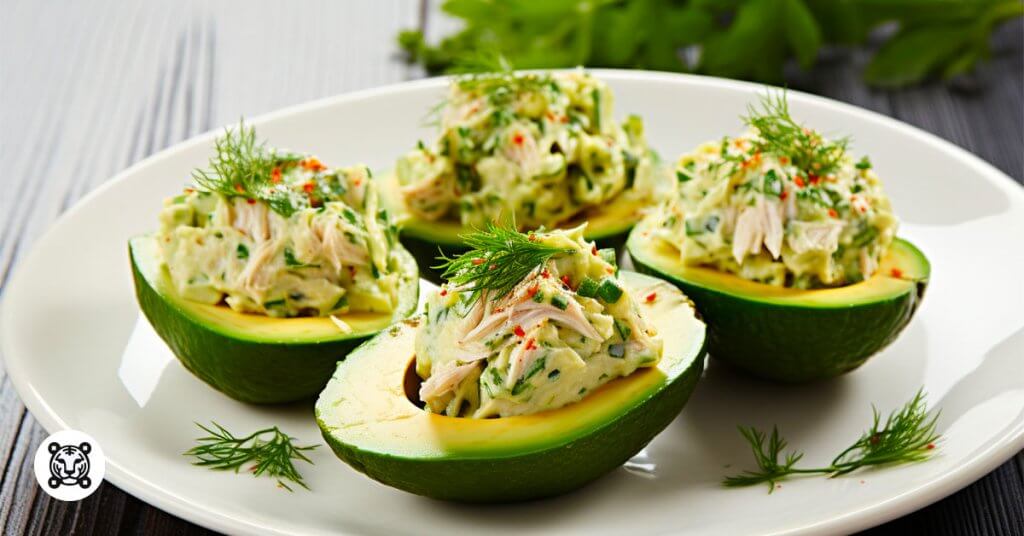
Crab-Stuffed Avocados feature fresh avocado halves filled with chilled lump crab meat, bell peppers, red onions, herbs, and citrus dressing.
The creaminess of the avocado complements well with the sweet and delicate flavor of the crab, which makes the dish feel balanced and fresh.
These types of menus are particularly appealing to diners who are looking for lighter options but still feel premium and celebratory.
Mushroom and Spinach Quiche
This savory pie is filled with sautéed mushrooms, spinach, caramelized onions, and Gruyère cheese, baked in a buttery crust.
Quiche performs really well on special occasions like this because it naturally aligns with the brunch culture while offering an upgraded alternative to standard breakfast items.
It is also operationally efficient because it can be prepared in batches in advance. You can also serve it with a wine pairing for an additional kick to the dish.
Citrus Herb Roast Chicken
It’s a whole chicken marinated in citrus juices, garlic, rosemary, thyme, and fresh herbs before slow-roasted until golden brown.
This is a perfect Mother’s Day dinner special for its warmth, comfort, and familiarity of its flavor profile.
Families dining together often gravitate toward hearty and shareable entrées, making roast chicken a practical and appealing option.
Grilled Salmon with Mango Salsa
This dish features a fresh salmon fillet topped with a bright salsa made from mangoes, red onions, cilantro, and citrus juice.
During holidays, many guests want something healthier or less heavy, so this is a perfect choice for them.
You can put this into your premium options without sacrificing your profitability.
Caprese Stuffed Portobello Mushroom
It’s made by filling the large mushroom caps with fresh mozzarella, ripe tomatoes, basil, and balsamic glaze.
This brings the familiar Italian flavors in a more elevated presentation. The meaty texture of the mushroom also makes it satisfying enough to function as either an appetizer or a vegetarian main course.
It works well as a lighter option for the guests who prefer vegetable-forward dishes without feeling like they are sacrificing flavor.
Surf and Turf
Surf and turf pairs a premium steak cut with seafood like lobster tail, grilled shrimp, or salmon, usually accompanied by mashed potatoes.
This is still one of the strongest special menu anchors because customers often perceived it as a complete celebratory meal, making them more willing to spend at a higher price point.
Raspberry White Chocolate Cheese Cake
This cake combines the sweetness of creamy white chocolate cheesecake with the vibrant tartness of raspberry puree.
It’s rich and visually refined, which makes it an effective ending to a celebratory meal. The tartness of the raspberry balances the sweetness of the white chocolate, creating a more upgraded flavor profile than the traditional cheesecake.
For restaurants, this dessert offers a strong margin potential while reinforcing the emotional nature of what customers are celebrating.
5 tips to serve a better dining experience this Mother’s Day
1. Let customers book online
A week before the celebration, expect that customers are looking for restaurants they can reserve first.
If you’re still relying on phone call reservations, you’re adding friction before the guest even walks in.
So, consider having an online reservation system that lets them lock in their table instantly and see availability in real time.
Pair this with a good table management system to keep things even smoother. Keep in mind that you’re not just accepting bookings but controlling seating flow, pacing, and turnover without chaos on the floor.
2. Upgrade your kitchen workflow
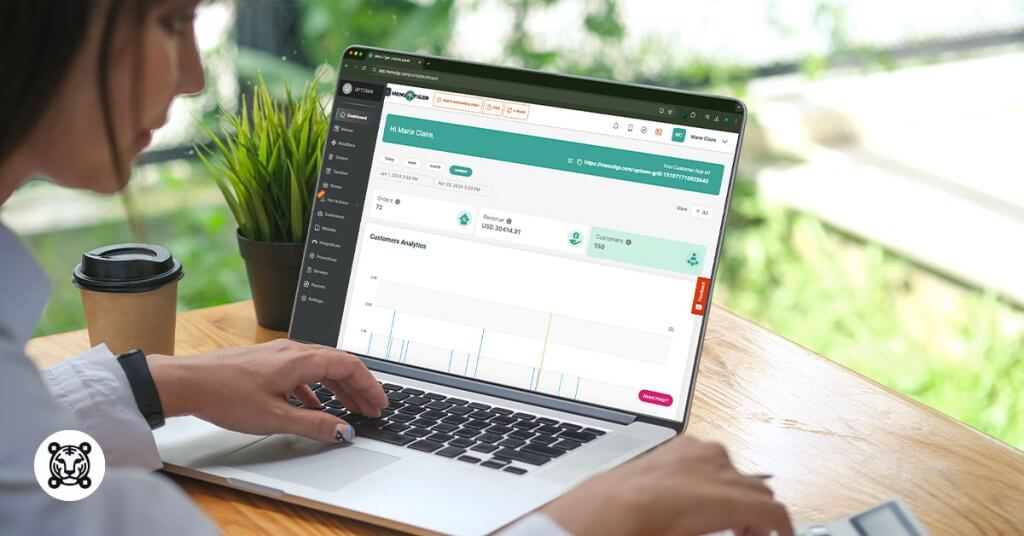
High peak hours will reveal every operational gap if you don’t fix it right away.
This is where a kitchen display system becomes a game-changer. Instead of relying on handwritten tickets or verbal relays, orders are routed clearly and tracked in real time.
That means fewer mistakes and faster flow between the front and back of the house.
3. Help customers decide faster with simpler online menu ordering systems
One of the biggest delays on Mother’s Day is decision-making.
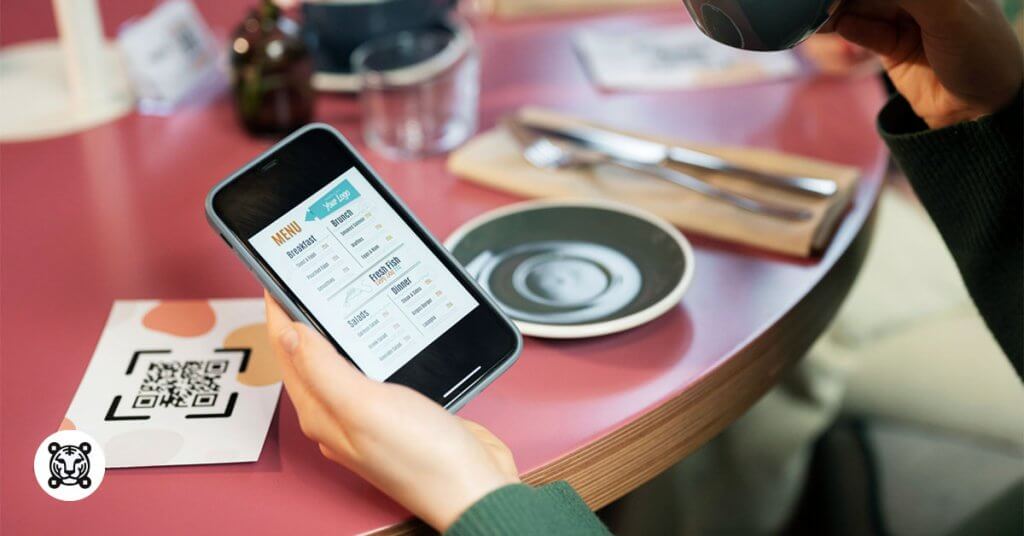
Which is why having a QR code menu actually works in your favor. Instead of passing physical menus around or waiting for a server to explain everything, customers can browse, customize, and decide at their own pace right on their phones.
But the real improvement comes when you don’t just digitize your menu but simplify it.
Highlight the ‘Gift for Moms’bundle, chefs specials and other deals so guests are not overwhelmed with options.
4. Ask for celebration details ahead
Not every table is the same and you can’t treat them like they are.
When guests book online, use that chance to gather simple details; are they here for the celebration, any dietary needs to be considered, or seating preferences? Just make it intentional.
So once they arrive, everything feels more thoughtful without your staff scrambling mid-service.
5. Make the experience continue after they leave
A celebration shouldn’t feel like a one-day transaction.
Make sure that you provide a follow-up with something simple but intentional. It could be a return visit offer, a dessert voucher, or a next booking incentive.
It keeps your restaurant top of mind even after the celebration ends.
Every move matters: Get a good prep for Mom’s special day
Special events services have a way to expose how ready or not a restaurant is. The things people usually overlook suddenly become noticeable to your guests.
But when your preparation is solid, with your Mother’s Day restaurant specials are well curated, promos strategically implemented, and menu management is upgraded, service feels effortless even on a packed floor.
Remember that ease is what customers remember more than anything.
FAQs

Chevy
Before joining MENU TIGER's Content Team, Chevy has been dabbling in literary arts for five years, specifically creative writing in a theatre company. She loves exploring her creativity through painting, photography, and contemporary dancing.
Affiliates




© 2026 Menu Tiger. All rights reserved