
The Art of Bussing Tables: Your Ultimate Guide
Last Updated: August 4, 2026
Imagine your restaurant with an aesthetic interior design and food worth coming back for. But when customers walk in, they find dirty tables, crumpled napkins, and crumbs on the floor.
That first impression is hard to undo.
Bussing tables is one of the most underappreciated jobs in the food and hospitality industry.
While a menu management system keeps operations efficient, it’s also important to fix the damage to the dining room that looks neglected.
To know more about how important this task is and how to refine busser workloads, read more in this article.
What does bussing tables really mean, and why does it matter?
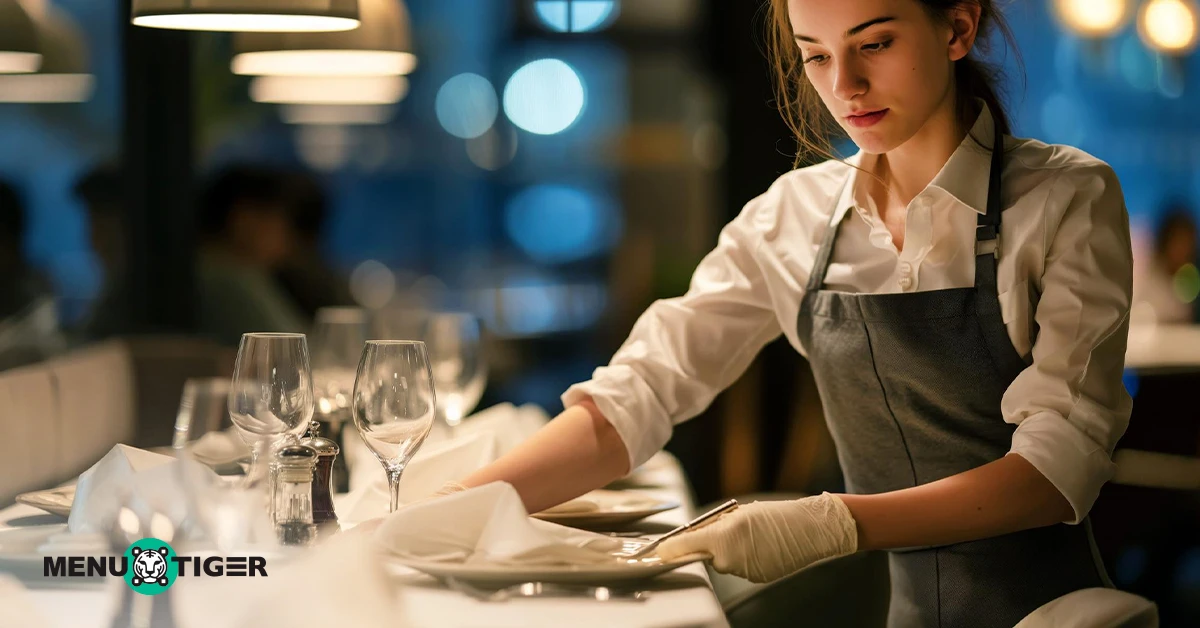
Bussing tables means clearing and resetting the dining area between guests. That’s the literal definition. But in practice, it is what keeps the chain going.
Here's what happens when it breaks down: a table sits dirty while guests wait to be seated. Waiting guests get impatient. Servers absorb the pressure. The whole floor slows down.
In fact, the American Customer Satisfaction Index (ACSI) shows that customers are 18% less satisfied with their overall dining experience when wait times are longer than expected. That statistic applies just as much to waiting for a clean table as it does to waiting for food.
Meanwhile, servers may feel immense stress as they are forced to keep the pace during rushes. They also have to deal with complaints from patrons who wanted to be seated already.
Bussers keep that from happening. They're the reason table turnover stays on pace, and the reason table service feels seamless to guests even when the floor is running at capacity.
What is a busser in a restaurant?
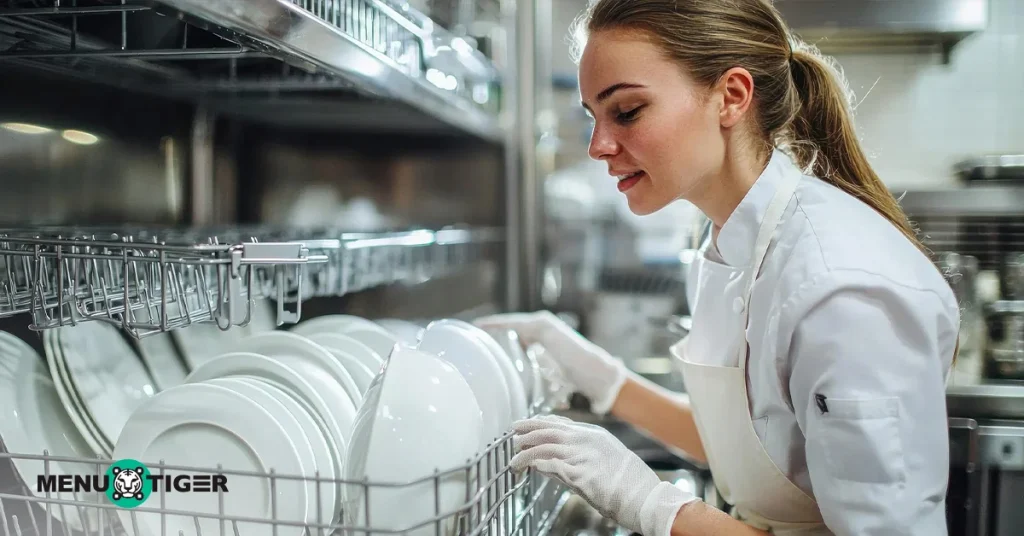
A busser, also known as a busboy or busgirl, is a front-of-house staff member responsible for clearing tables, keeping the dining area spotless, assisting waitstaff and kitchen staff, maintaining the restaurant's overall cleanliness, and performing other relevant tasks.
They make sure that customers leave satisfied with the tidiness of facilities like restrooms, dining areas, and all corners of the restaurants.
A busser's role significantly contributes to customer satisfaction and overall experiential dining adventure.
Responsibilities and duties
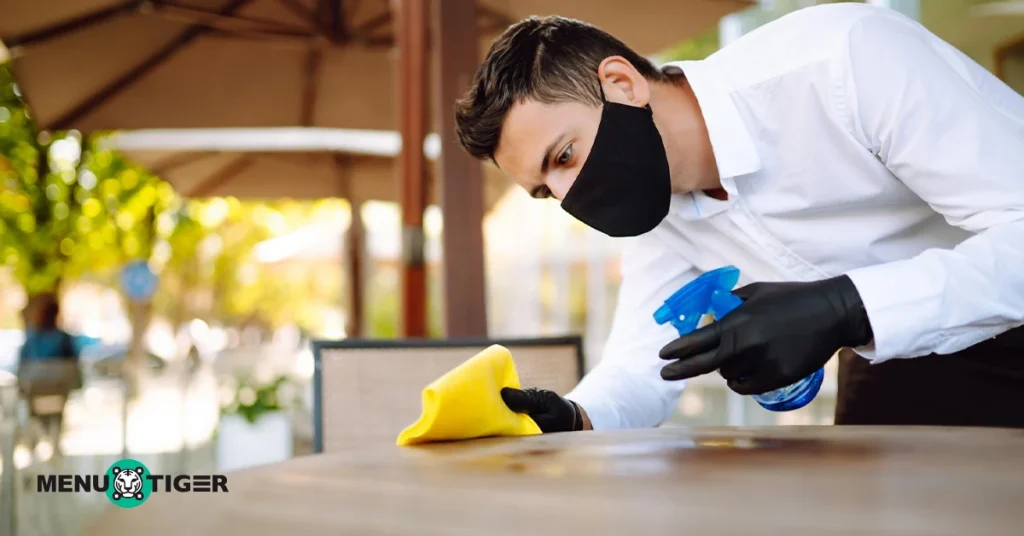
What is a busser task to work behind the spotlight; unlike chefs and servers, they usually go unnoticed. But their absence will significantly affect the overall operations and customers' dining experience.
To know how important their roles are not only in compliance and restaurant safety but also in the entirety of the operations. Here are their key responsibilities in detail:
- Sweep floors
- Polish glassware, tableware, cutlery, and restaurant kitchen equipment
- Occasionally assist waitstaff in serving guests when they are busy
- Notify servers when diners need help
- Reset the tables with clean linens and glassware
- Refill condiments like pepper and salt shakers and ketchup
- Fill guests' glasses
- Bring clean utensils and glassware to the wait stations
- Take used dishes to the kitchen
- Restock washroom supplies like tissues, soap, and hand wash
- Fold table napkins
- Restock service stations with clean cutlery service utensils, napkins, condiments, and other items
Guidelines for properly bussing tables
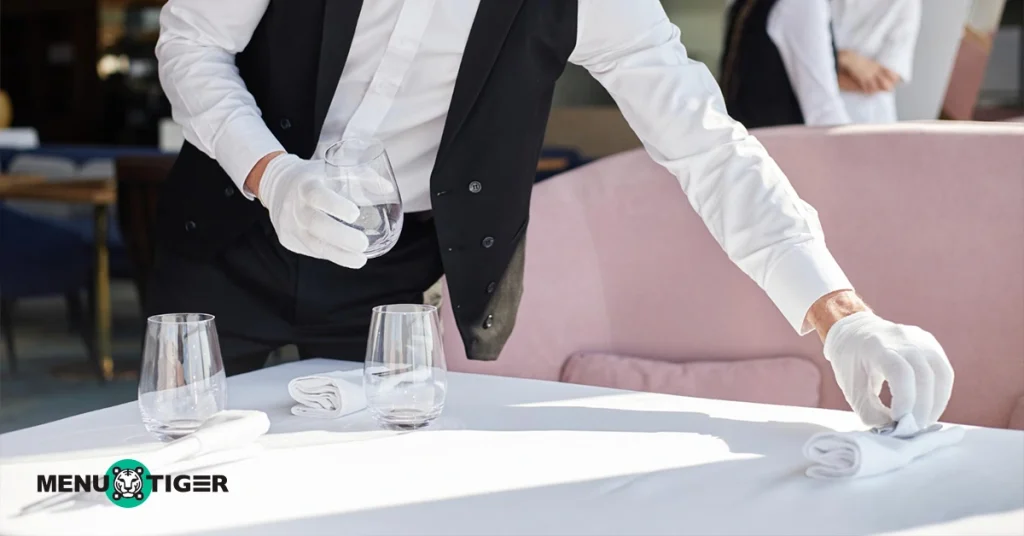
Bussing tables looks straightforward from the outside, but it requires attention to detail, time management, and physical stamina.
Whether you are a pro or a beginner, this guide is for you:
1. Bus the table immediately after guests leave
Clear the tables as soon as they're vacated. Waiting lets bacteria spread and gives stains time to set into the table, especially if it's made with porous material.
Not only does it make patrons feel welcomed once seated in a spotless dining area, but it also avoids customer frustration in waiting long.
2. Clean the table systematically
When cleaning the table, do not just grab anything you see first. This may lead to breaking the dishes and dropping utensils.
Start by removing large items like dishes and glasses. Then follow the remaining ones, like silverware and napkins, and then you can wipe the table afterwards.
3. Use a bus tub or tray
Don't try to carry everything in one trip by hand. Load items into a bus tub or tray. It's faster, safer, and reduces breakage.
4. Handle dishware and glassware correctly
Stack the heaviest and largest plates at the bottom to avoid spills and breakage. Then separate utensils if possible.
Do not put together the glassware, dishes, and utensils. Dishes are heavy, and they might tip over and cause invisible abrasions to delicate glassware. Use a dedicated tray for the glassware instead.
5. Keep track of the tables that need cleaning
Communicate with the host staff to know which table needs to be cleaned or know what table to prioritize.
You may also track the table occupancy in a menu management system so you can prepare before the guest leaves.
6. Separate the trash
Throw away food scraps and disposable items immediately into the bus bin.
This is more organized and efficient, which saves time from having to separate them in the wash station.
Keep in mind that while doing this, do not bring the bus bin near the occupied table where customers are still dining; it is unsightly.
7. Replace cleaning towels
Soiled towels can carry bacteria from one table to another. The importance of food safety should not be overlooked. Using fresh towels avoids cross-contamination, which affects customers' health.
Plus, a clean towel creates a professional appearance that shows the restaurant values cleanliness.
8. Check the floor area
See to it that there are no fallen utensils, napkins, or food on the floor. This is to make sure that the area is clean and safe for the next guest.
9. Clean, then disinfect
Cleaning with soap or detergent decreases the number of harmful germs. But in order to kill the remaining bacteria and viruses, you need to disinfect the table surface.
Spray disinfectant (make sure it's food safe) and wipe the table thoroughly using a towel in a circular motion.
For the final touch, use a clean, dry towel to remove excess cleaner.
10. Change sanitizer buckets every 2–4 hours
It is advisable to change the buckets every 2 to 4 hours or when the water looks dirty. Refill it with clean water and an appropriate amount of sanitizer.
This way, you make sure the solution is effective in use.

How a menu management system helps bussers
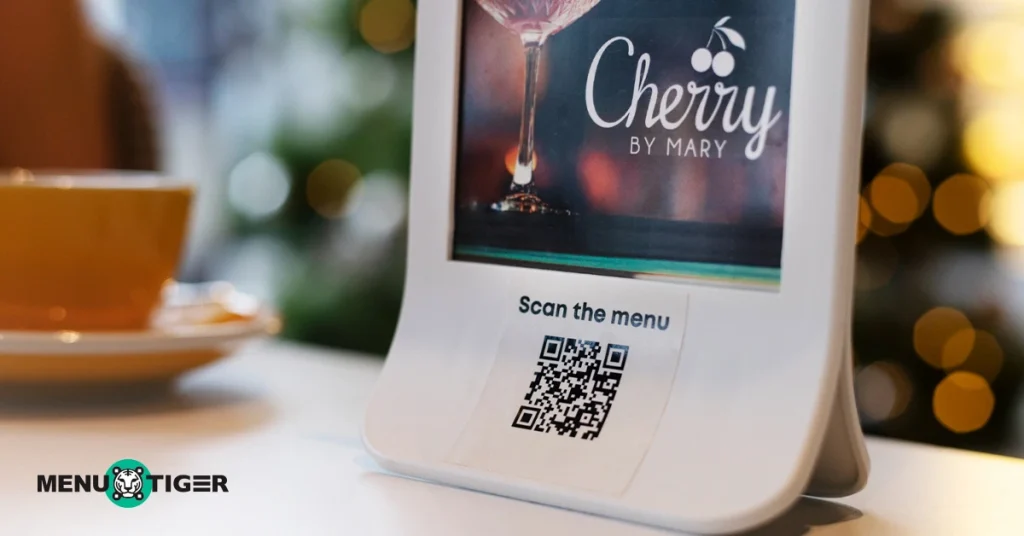
Automation has become a necessity to keep up with the fast-paced environment in restaurants, especially in fast-casual and quick-service restaurants.
This is a challenge for restaurants with a limited workforce, especially during peak hours. Staff burnout may result from the overwhelming feeling of having to do more than two tasks while ensuring accuracy.
When employees are worn out, it affects their performance and productivity, which in turn affects customer service and may lead to unfavorable perceptions of your business.
Before staff leave due to exhaustion and mental stress, you need to take necessary measures to ensure services.
This technology transforms staff workloads from chaotic to highly structured.
To enlighten you, we listed some reasonable points about why you need QR-powered order menu management.
Optimized pacing
Since customers order from their smartphones, order details will be automatically sent in real time to the kitchen. The system will then notify servers once the table order is ready.
Additionally, it increases customer decision-making because all the food details, pricing, and allergen content are displayed right from their smartphones.
In short, this advancement streamlines how food is ordered, prepared, and served.
Monitor table occupancy in real time.
This technological advancement allows bussers to gain clearer visibility into table status. This is efficient if the restaurants run with multiple floor areas because table details are shown on the system dashboard.
They can see what tables are occupied and recently vacated, so they can prepare pre-bussing and resetting without interrupting guests.
Reduced clearing mistakes
Automated ordering means fewer miscommunications and order mistakes between waitstaff and customers.
Basically, customers customize their orders by choosing sides and add-ons, and to make sure they receive the right order, they can even provide specific instructions about the dish.
This is advantageous for a busser in a restaurant because it results in fewer abandoned or sent-back plates, reducing the physical strain of running extra dishes.
Smoother table turnover
Since customers order and pay conveniently on their smartphones, they do not need to call waitstaff to process bills, which may take them longer to be accommodated, especially during rush hours.
This process helps turn the tables smoothly, which not only assists the waitstaff and server but also helps the busser get ready to clean the table faster as customers are about to leave.
Run a tighter floor with the right support.
Bussing tables is not glamorous work, but it’s some of the most customer-facing work in the restaurant. A dirty table or a long wait to be seated shapes the guest's opinion of the whole experience before the food even arrives.
Give bussers clear processes, the right tools, and a menu management system that keeps table status visible in real time, and the whole floor runs better for it.
This not only improves operational efficiency but also creates greater overall satisfaction. Thus, choose the right technological advancements to help bussers deliver a better and more desirable customer experience.
FAQs

Chevy
Before joining MENU TIGER's Content Team, Chevy has been dabbling in literary arts for five years, specifically creative writing in a theatre company. She loves exploring her creativity through painting, photography, and contemporary dancing.
Affiliates





© 2026 Menu Tiger. All rights reserved