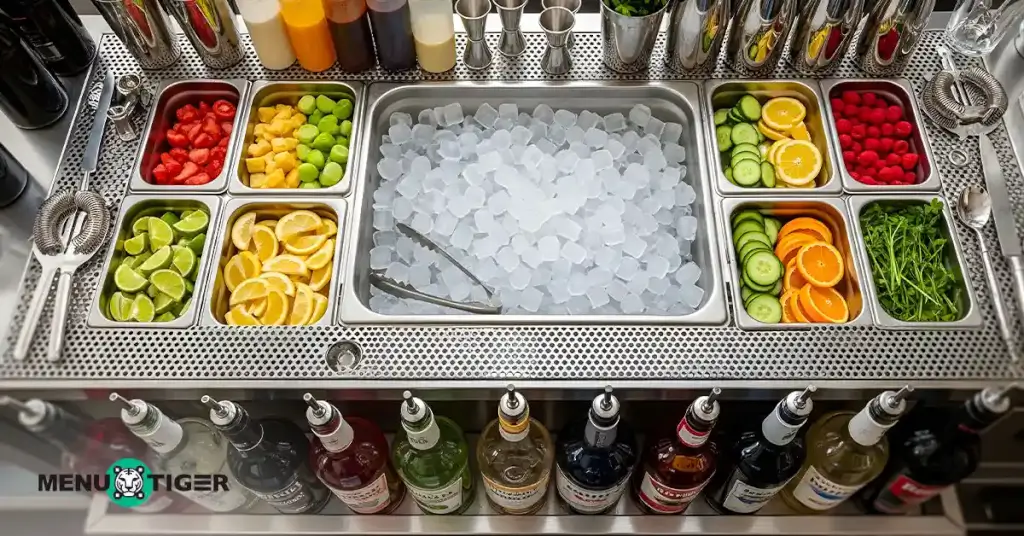
Rail Drinks: What They Are, Popular Examples, and Bar Tips
Last Updated: November 19, 2026
Rail drinks are mixed drinks made with a bar’s standard or house spirit instead of a specific brand requested by the guest.
Bars serve rail drinks because they can simplify ordering, speed up preparation, and help control ingredient costs. They can also provide an accessible option for guests who do not have a particular brand preference.
Below, you'll learn about the five most common spirits kept on a bar's speed rail, 18 popular rail drinks, and how to price each pour using pour cost.
Key Takeaways
| – Rail drinks are mixed drinks made with a bar's standard or house spirits when customers do not request a specific brand. – Rail and well drinks are often used interchangeably, although terminology varies between bars and regions. – Popular rail drinks include vodka soda, vodka cranberry, rum and Coke, gin and tonic, and whiskey ginger. – Bars serve rail drinks to simplify preparation, offer accessible prices, and control ingredient costs. – Standardized recipes, consistent pour sizes, and inventory tracking help maintain drink quality and reduce waste. – Price rail drinks from pour cost: ingredient cost ÷ menu price × 100 |
What is a rail drink?
A rail drink is a mixed drink made with a bar’s standard or house liquor, usually served when a customer does not request a specific brand.
For example, if a guest orders a vodka soda without naming a vodka brand, the bartender may use the bar’s standard vodka.
This bottle is often kept on the drink rail, the shelf or area behind the bar where frequently used bottles are within easy reach.
What liquors and mixers are usually in a bar's rail?
These five base spirits are common starting points for a well or rail selection:
- Vodka
- Gin
- Rum
- Tequila
- Whiskey
Common mixers, juices and garnishes: soda water, tonic water, cola, ginger ale, ginger beer, orange juice, cranberry juice, grapefruit soda, lime juice, lemon juice, simple syrup, grenadine, triple sec, bitters, lemon and lime wedges, cherries, orange slices.
What is the difference between a rail and well drinks?
Rail drinks and well drinks are essentially the same. Both refer to mixed drinks made with a bar's standard liquor selection when customers don't request a specific brand.
Bars and Bartending's bartending terminology guide uses the terms well and bar rail interchangeably when describing the bar's standard liquor selection.
A discussion among U.S. bartenders on Reddit illustrates this variation.
Some said “well” was the standard term at the bars where they worked, while others, including bartenders in parts of Wisconsin and the Southeast/Mid-Atlantic, said they commonly used “rail.”
These are also other bar terms worth knowing:
| Term | How it may be used |
| Call | Drinks made with a specific brand requested by the customer. |
| Premium | Drinks made with higher-tier spirits. |
| Mid-shelf | Drinks made with mid-range spirits. |
| Top-shelf | Drinks made with the bar's highest-tier spirits. |
| Specialty | Drinks featuring unique recipes or ingredient combinations. |
| Signature | Original cocktails that represent the bar's identity. |

Why do bars serve rail drinks?
1. Lower ingredient costs and pour control
Rail drinks are usually less expensive than call or premium brands. This can help a bar keep its ingredient costs under control.
For example, suppose a hypothetical bar makes a vodka cranberry:
- 1.5 oz house vodka: $0.90
- 3 oz cranberry juice: $0.45
- Ice: $0.05
- Lime garnish: $0.10
Estimated ingredient cost: $1.50
If the drink sells for $7:
Pour cost = $1.50 ÷ $7 × 100 = 21.4%
Disclaimer: This is only an illustration. Pour cost percentage is not the same as profit margin. Actual drink pricing should also account for the bar's local market, labor, waste, taxes, fees, overhead, and other operating costs.
2. Faster service
Rail drinks can be quick to prepare because the bartender can access frequently used spirits and mixers without reaching across the bar.
3. Consistent drink preparation
Easy, standardized recipes make the process more consistent. A recipe card might specify:
- Spirit: house vodka
- Pour: 1.5 oz
- Mixer: 3 oz cranberry juice
- Glass: highball
- Ice: full
- Garnish: lime wedge
The exact recipe should reflect the establishment's own standards and local requirements.
4. An accessible price point for guests
Since house spirits are generally positioned below call or premium selections, a bar can offer simple mixed drinks at a lower price than drinks made with specified or premium brands.
However, lower-priced does not automatically mean lower quality. A bar may deliberately choose a well spirit that fits its concept and flavor expectations.
5. Easier staff training and inventory planning
A defined well selection can simplify training because bartenders know which house spirits to use for generic orders.
It can also make purchasing and inventory planning more predictable because the bar can monitor the products used most frequently.
Rail drink list: common drinks by spirit
Here's a rail drink list by spirit:
Vodka-based
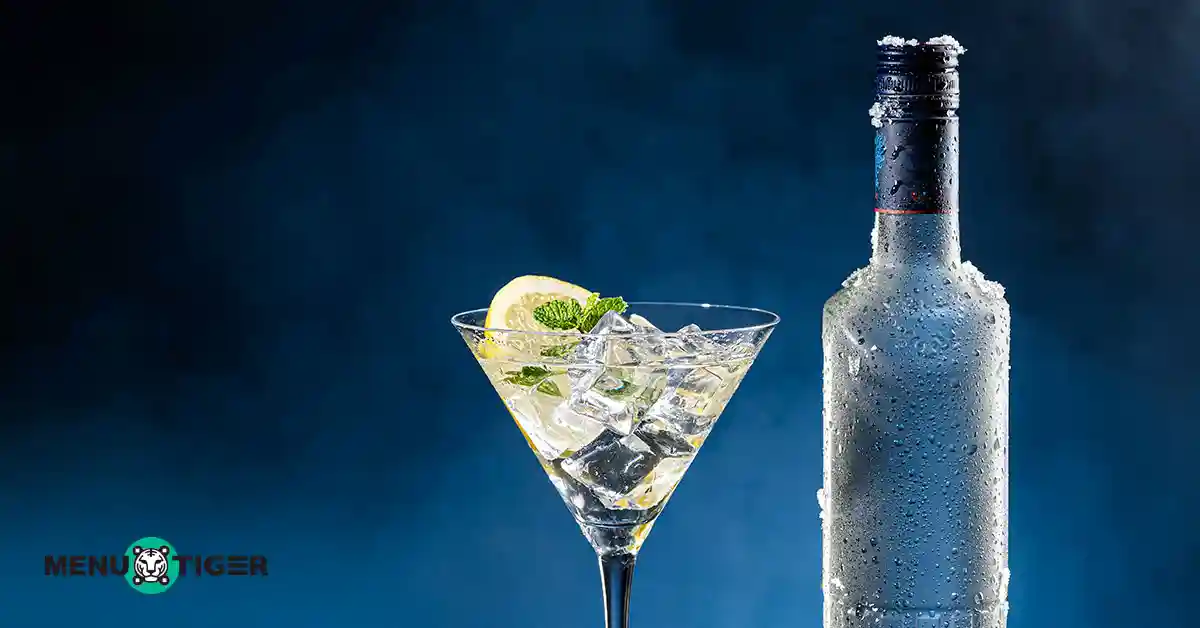
Common examples include:
1. Vodka Soda
House vodka topped with soda water, usually with a citrus garnish.
2. Vodka Cranberry
House vodka mixed with cranberry juice.
3. Screwdriver
House vodka and orange juice.
4. Vodka Tonic
House vodka with tonic water.
5. Moscow Mule
Vodka, ginger beer, and lime. Whether a bar classifies this as a rail drink depends on its own drink and pricing standards.
Gin-based
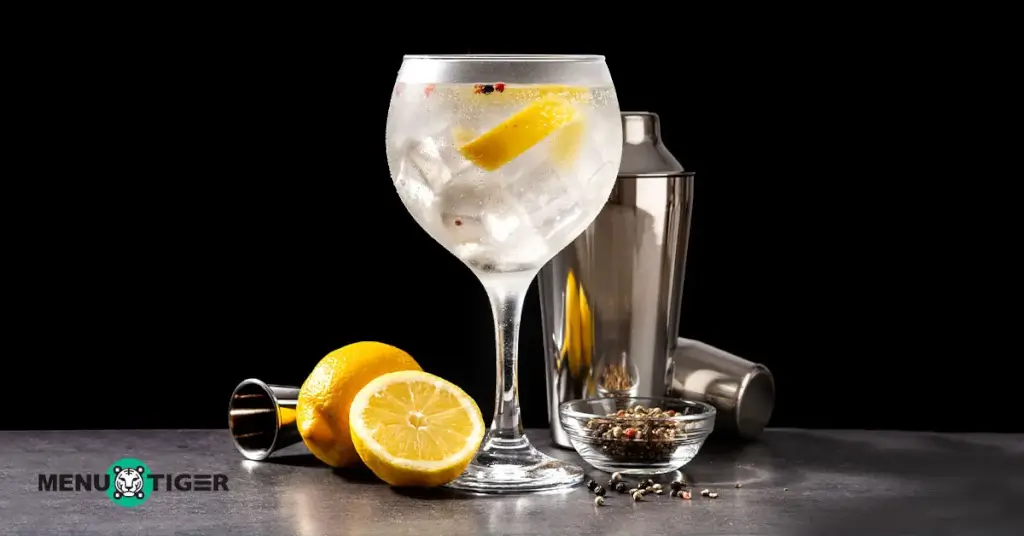
6. Gin and Tonic
House gin with tonic water and usually a lime garnish. A gin and tonic can also be ordered as a call or premium drink when the guest specifies a particular gin.
7. Gin Buck
Gin combined with ginger ale or ginger beer.
8. Gin Soda
House gin topped with soda water.
Rum-based
9. Rum and Coke
House rum and cola.
10. Cuba Libre
Rum, cola, and lime.
11. Daiquiri
Rum, lime juice, and sweetener. A Daiquiri can be made with a well rum, but its inclusion in a rail-drink promotion depends on the bar's own definition and preparation requirements.
Tequila-based
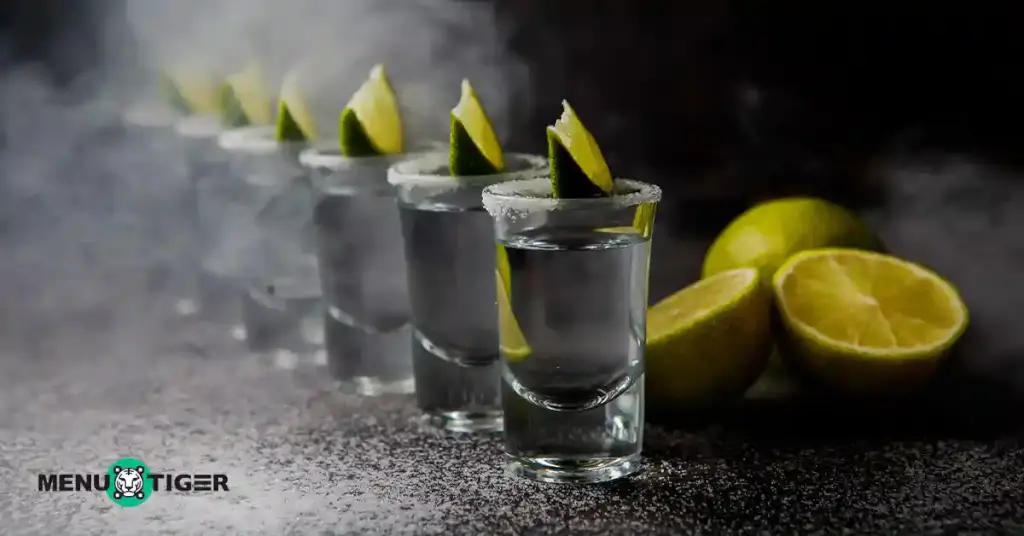
10. Tequila and Soda
House tequila with soda water.
11. Tequila Sunrise
Tequila, orange juice, and grenadine.
12. Margarita
Tequila, orange liqueur, and lime juice, with the exact recipe varying by bar.
These drinks demonstrate why operators should define their rail category rather than simply labeling every familiar cocktail a rail drink.
Whiskey-based
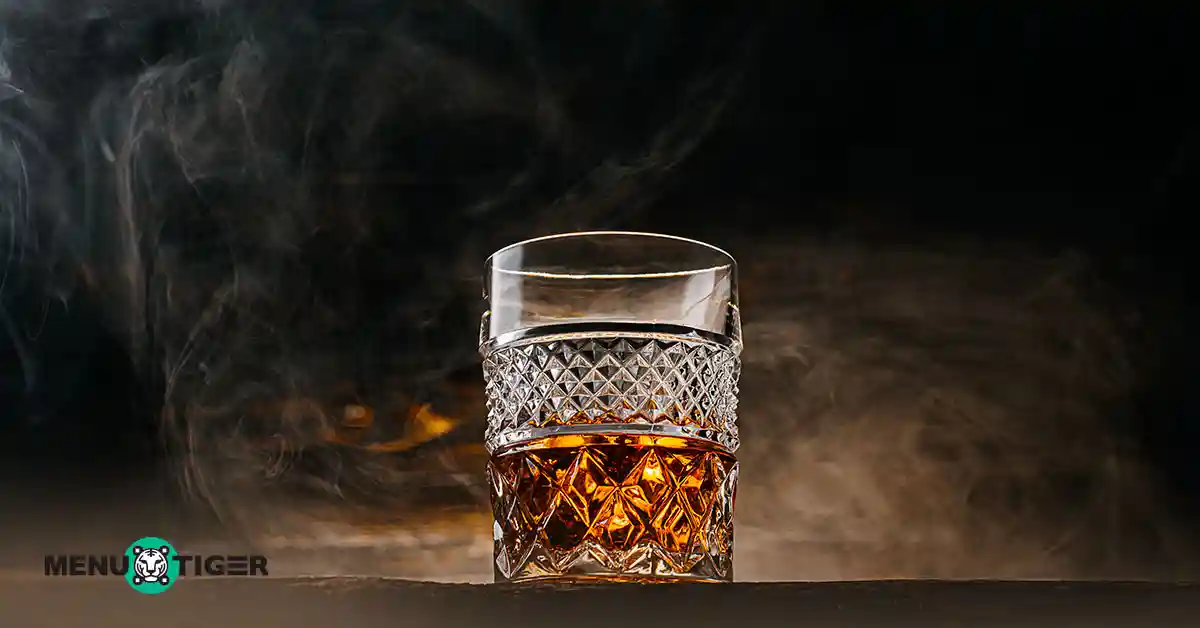
13. Whiskey and Coke
House whiskey and cola.
14. Whiskey Ginger
House whiskey and ginger ale.
15. Whiskey Soda
House whiskey with soda water.
16. Whiskey Sour
Whiskey with sour ingredients. The drink may or may not qualify for a rail promotion depending on the bar's recipe and ingredients.
| Learn more about popular drinks: Beyond rail drinks, explore other drinks to order at a bar and discover more options customers may enjoy. |
How can a bar price and manage rail drinks?
Rail drinks can only support a bar's financial goals when the operator understands the full cost of producing them.
1. Calculate pour cost before setting the price
For example, if a bar buys a 750 mL bottle for $24 and uses a 1.5 oz pour, the bottle provides approximately 16.9 pours:
25.4 oz ÷ 1.5 oz = 16.9 pours
The liquor-only cost is:
$24 ÷ 16.9 = $1.42 per pour
However, the total drink cost should also include soda, juice, syrup, garnishes, and other ingredients.
Pour cost percentage = Total drink ingredient cost ÷ Selling price × 100
For example, a drink costing $2.10 to make and selling for $8 has a 26.25% pour cost.
2. Standardize recipes and pour sizes
A consistent recipe helps control both quality and cost.
Document:
- Spirit quantity
- Mixer quantity
- Glassware
- Ice
- Garnish
- Preparation method
- Final presentation
Standardizing the recipe also gives staff a common reference point when training or checking drink quality.
For reference, the U.S. Centers for Disease Control and Prevention (CDC) explains that one standard drink contains approximately 0.6 fluid ounces of pure alcohol. This is equivalent to the following amounts of alcoholic beverages:
- 12 ounces of regular beer with 5% alcohol by volume (ABV).
- 8 ounces of malt liquor with 7% ABV.
- 5 ounces of wine with 12% ABV.
- 1.5 ounces of distilled spirits with 40% ABV (80 proof), such as brandy, gin, rum, tequila, vodka, and whiskey.
In the United States, 80 proof means the liquor contains 40% alcohol by volume.
A bar's actual serving size can differ, so operators should not use the standard-drink definition as a substitute for their own recipe or local alcohol-service requirements.
3. Track inventory and waste
A bar should compare expected usage with actual inventory movement.
Large differences can point to:
- Overpouring
- Spillage
- Incorrect recipes
- Unrecorded drinks
- Product waste
- Inventory-counting errors
Regular inventory checks using a restaurant inventory management system help operators identify these discrepancies before they become recurring costs.
4. Make the rail easy for staff to use
Arrange popular alcoholic drinks or frequently used bottles and ingredients so bartenders can reach them quickly without disrupting the rest of the bar.
The exact setup depends on the bar's layout, menu, equipment, and service style.
The goal is simple: commonly used products should be easy to identify, reach, measure, and return.
5. Use a digital menu to keep rail drink information clear
A digital menu can make it easier for guests to see which drinks are available as house or rail options, along with their ingredients and prices. Instead of relying on verbal explanations, a bar can organize these drinks into a dedicated section.
This also supports menu management when prices, ingredients, or drink availability change.
Updating the digital menu keeps the information guests see aligned with what staff are serving.
| Important note: For customers who prefer alcohol-free options, consider adding non-alcoholic drinks to your menu alongside traditional rail drinks. |
The bottom line
Rail drinks are simple by design, but managing them well requires more than choosing inexpensive liquor.
A bar needs to define its house pours, standardize recipes, control portions, monitor ingredient costs, manage inventory, and communicate prices clearly.
It should also distinguish between a drink that can be made with a house spirit and one that the establishment actually classifies as a rail or well drink.
Frequently Asked Questions
Disclaimer: This blog was originally published on September 19, 2025, and was updated on November 17, 2026, to reflect the latest information, examples, and recommendations.

Eulla
Eulla is MENU TIGER’s content writer for practical restaurant insights. She researches restaurant technology, management, marketing, and topics that affect how restaurants operate and grow. Her focus is on breaking down complex information, comparing solutions, and turning research into practical advice that restaurant owners can use in their day-to-day decisions. Her background in teaching shapes her approach to making technical and industry topics easier to understand.
Affiliates


© 2026 Menu Tiger. All rights reserved