
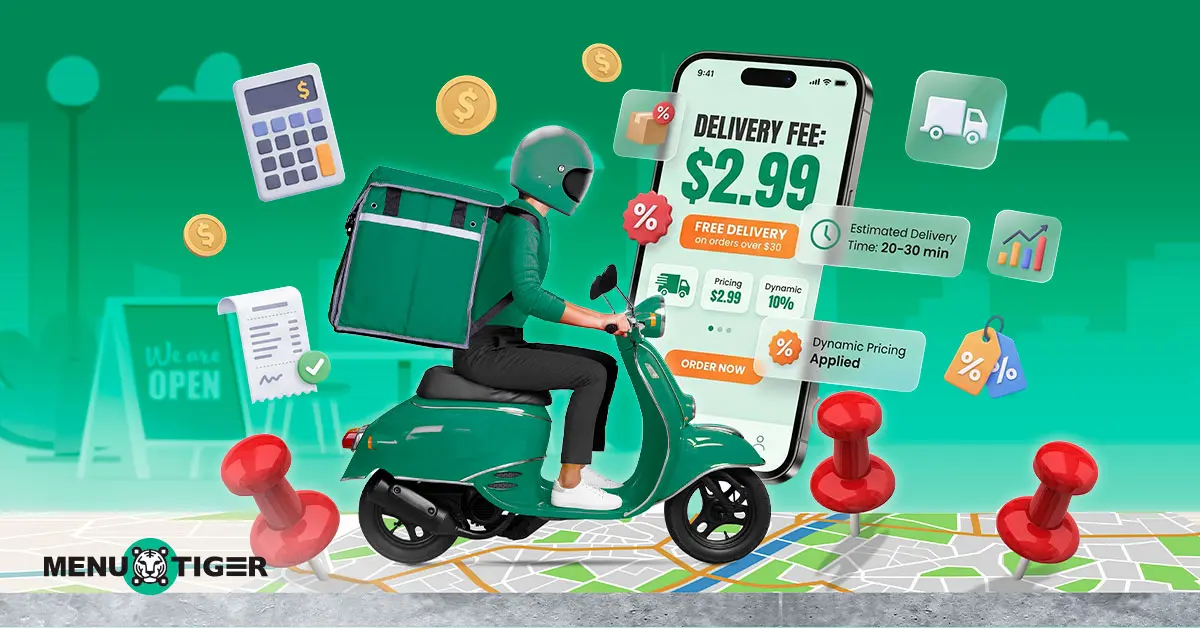
Delivery Fees: How They Affect Restaurants and Customers
Last Updated: August 4, 2026
While restaurants prioritize customers’ convenience through delivery services, restaurateurs find it difficult to sustain delivery operations due to underlying issues.
According to research, “Impact Assessment of Food Delivery Platforms on Restaurants,” led by Bornali Bhandari in 2025, it reveals that 35.4% of restaurants said they are willing to stop using food delivery platforms due to reasons such as high commissions, inadequate profits, fewer orders, and fewer customers.
On the customer's part, a high delivery fee may frustrate them, which affects their impression of the restaurant’s brand reputation.
For this reason, restaurants need a strategic method to lessen the burden, like adding a digital menu system to optimize delivery costs.
To know more about practical ways to handle these challenges with restaurant technology, read further in this article.
What is a delivery fee in restaurants?
A delivery fee refers to the payment that restaurants add to the total value of food ordered to cover the costs associated with making deliveries.
For restaurants that manage their own delivery system, this cost may include the driver's wage, fuel, vehicle maintenance, packaging costs, and others.
On the other hand, delivery payments are likely higher when a restaurant partners with food ordering software or services because of commission fees, service fees, taxes, gratuity or tips (usually optional), and regulatory response fees.
Furthermore, here is what the food delivery statistics say about delivery fees in restaurants:
- A 2023 State of Restaurants Report states that online ordering now accounts for over 25% of a restaurant's total revenue, which is a significant amount of sales.
- According to Deliverect stats, high commission costs, which can range from 15% to 35% per order, are cited by 72% of restaurants as their biggest issue with delivery platforms.
- Delivery costs charged by delivery services or restaurants range from $2 to $5, which may increase during busy hours and for longer distances.
- The American Trends Report in 2025 claims that 44% of diners are ordering takeout or delivery weekly or more often.
- Zippia reports that 55% of customers contact restaurants directly for delivery orders.

Factors affecting delivery cost
Delivery restaurant cost varies due to several factors that affect both customers and restaurants. This may include:
1. Packaging overhead
Delivering customers' food at their doorstep means additional expense on packaging like plastic containers, bento boxes, bags, and even insulated containers to keep the food warm and secure, especially when it is delivered to a farther location.
The packaging adds to the overhead cost of the restaurant, and this expense is usually shouldered by the customers.
2. Delivery location or distance
The location to which the food is delivered affects the total food delivery cost because it takes time, effort, and fuel.
In rural areas, where traffic is common and affects travel time, it charges more for delivery compared to urban areas. And the farther the delivery location, the higher the delivery cost.
3. Delivery services commission charges
External delivery apps charge restaurant commissions per order. Typically, it has a 15% to 35% commission rate, which covers customer service, driver payouts, and platform overhead.
With high commission charges, restaurants pass the cost to the customers, forcing restaurants to increase menu prices on third-party delivery platforms.
4. Delivery platform policy changes
When the delivery service provider changes its rules and promotional requirements, restaurants must abide by the policy changes.
And when this happens, it significantly impacts both the restaurant menu pricing and delivery cost, and restaurants have no choice but to embrace the changes.
5. Delivery driver compensation
The delivery rider, who does the labor of picking up and transporting the order safely to the customer's location, needs to be paid.
The fee helps pay the rider, whether directly or through the delivery service app.
6. Time of day
Delivery charges are higher during peak hours, like lunch or dinner. The surge pricing is also applied to maintain the balance between the number of delivery riders and customers.
Factors like weather conditions, holidays, or events could also affect the delivery cost.
Ways to implement food delivery services
There are two ways to implement delivery services: in-house delivery and through third-party delivery platforms. See which of the two works well with your restaurant’s needs.
In-house delivery (own delivery driver)
In-house delivery means you take care of all delivery processes internally—from hiring and training a driver to covering logistics costs, which include fuel, vehicle maintenance, and delivery riders’ compensation.
While this delivery setup gives you full authority, it could be challenging in terms of higher operation costs and could be difficult during peak hours, especially with a limited number of riders.
On the positive note, statistics show that 70% of customers prefer to order directly from the restaurant rather than from third-party apps like DoorDash or Grubhub.
Here are other in-house delivery advantages:
- You can integrate technology like a digital menu to facilitate delivery processes, which is cost-efficient because it does not charge commission per order.
- You have full control over food handling and customer experience. This autonomy also allows operators to safeguard their brand reputation.
- Help promote brand identity by putting your brand logo on delivery vehicles and packaging.
- Since there is no platform restriction, you can offer free delivery promos, exclusive discounts, or a restaurant loyalty program to reinforce habitual purchasing.
This strategy helps in building strong restaurant customer relationships and customer retention.
- You have direct communication with customers, which is good, especially when resolving problems such as late deliveries or missing items. Restaurants can handle it directly through the delivery team.
Third-party delivery services
You can take your hands off all the delivery-related responsibility when partnering with an external food delivery software, such as GrabFood or DoorDash; they cover upfront costs, logistical complexity, and transportation.
Consequently, you have less control over delivery quality, such as rider behavior, delayed deliveries, and handling food.
And also, food delivery software usually charges high service and commission rates, and other fees are passed on to customers, which impacts both the customers and your restaurant's profitability.
This can lead to price pressure, where restaurants have to increase menu prices on delivery platforms to cover commissions, leading customers to change ordering habits like skipping add-ons or ordering smaller portions.
On the bright side, here are ways that delivery services can help you:
- This provides scalability during busy hours because you will not need to add more staff to handle deliveries if there's a sudden increase in delivery orders.
- The delivery platform already has a large user base, which is an advantage in reaching out to more potential customers.
- They have large rider networks, which means they have expanded delivery coverage so you can reach more potential customers.
- Delivery management is more efficient because the delivery platform takes care of the delivery schedules, routes, and driver’s location assignment.
Tip: Always look for the cheapest food delivery app for third-party services when investing in one. This is to save you from the cumulative costs that come with it when you subscribe, as they offer affordable pricing tiers.
How to maximize a QR code menu system to optimize delivery cost
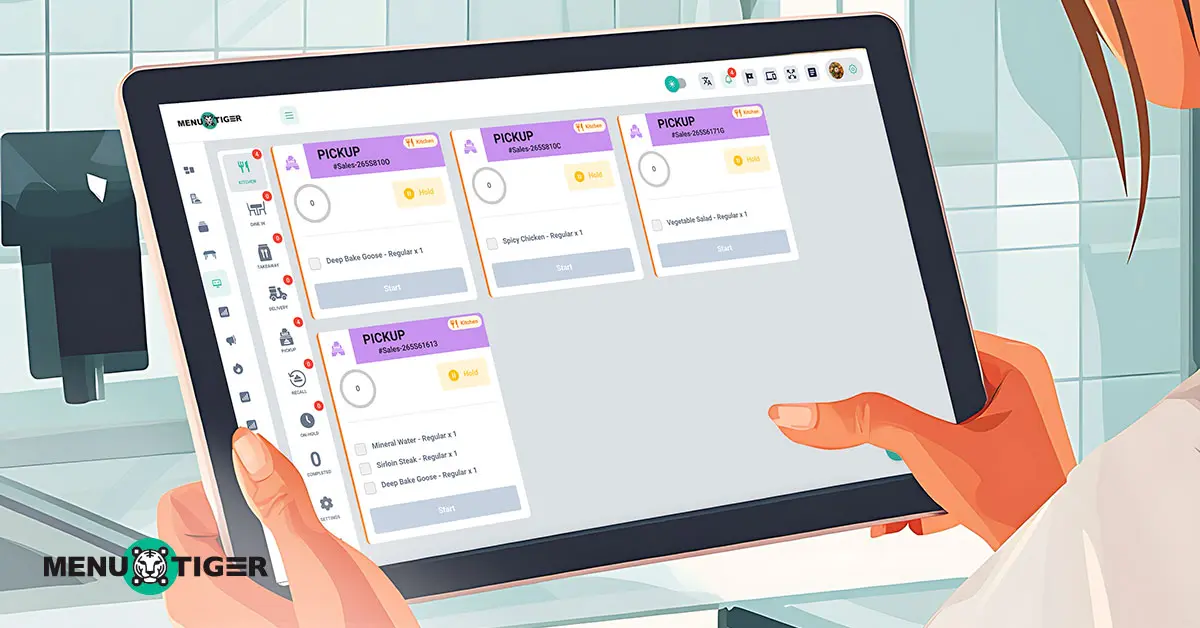
Technology, like a digital menu, cannot fully remove delivery costs, but it can help justify and manage them in practical ways. Take a look at the following:
Offer pickup options
You can offer a cheaper alternative for customers by offering pickup, which is easy to manage in the kitchen display system of your contactless menu.
It also allows you to highlight pickup options so customers can save additional fees instead of paying for delivery.
Real-time fee explanation
On your contactless menu, you can provide clear explanations about sudden changes in fees so that customers will not wonder about such changes.
This real-time explanation, “delivery payment is increased due to traffic, demand, or weather,” for example, can be shown on the food management delivery software system to inform customers about reasonable extra charges.
Bundle promotions to lower costs
QR code technology helps you easily integrate promotions. To help customers feel the fee is lessened, you can offer promotions, such as free delivery on minimum orders (for example, free delivery on orders over $50) or “no delivery fee” promos.
This strategy will not only help strengthen customer relationships but will also help restaurants boost average ticket size as it encourages customers to add more items upon checkout.
Transparency in pricing details
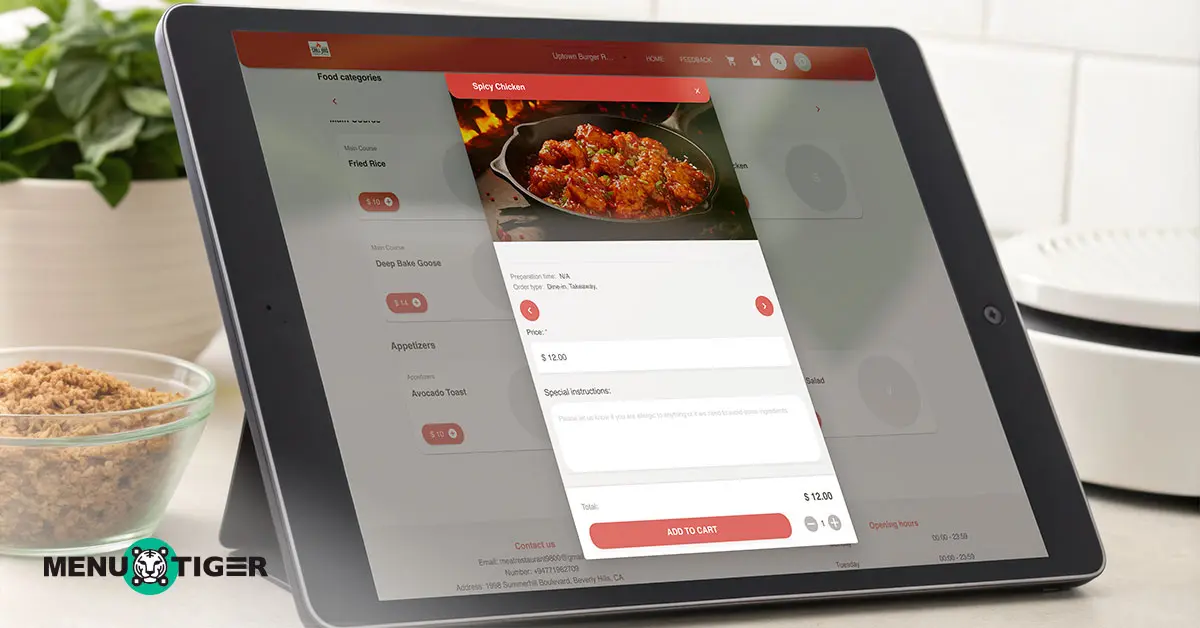
You can provide a clear breakdown of food item price details like food price, delivery cost, service charge, and total cost.
Customers' trust is increased when restaurant menu pricing is transparent, and they don't feel overcharged or frustrated by hidden costs.
Lessen operational costs
You do not need to regularly create paper-printed menus whenever you update the menu; this saves printing costs in the long run.
Additionally, it reduces order error since customers place orders at their own pace. And since it is an automated ordering and payment system, you do not need to hire more staff, which means you save big time on labor fees.
With this, it can indirectly help lower delivery costs, improving customers' value perception.
Choose the delivery setup that fits your restaurant's needs
While restaurants need to provide a quality delivery experience, the underlying delivery fee and other costs of implementing it are no doubt challenging for operators.
Therefore, restaurants must be clever in their investments, whether it be in-house delivery or through delivery software; choose what works well for your business.
And to assist you in delivery operations, you may consider integrating an online menu ordering system.
This goes hand in hand with your delivery responsibility, helps you provide transparency about the food pricing, saves on operational costs, and offers promotions to retain loyal customers.
FAQs

Chevy
Before joining MENU TIGER's Content Team, Chevy has been dabbling in literary arts for five years, specifically creative writing in a theatre company. She loves exploring her creativity through painting, photography, and contemporary dancing.
Affiliates





© 2026 Menu Tiger. All rights reserved