
Catering Kitchen for Rent: What to Know Before Operating
Last Updated: August 4, 2026
For many food entrepreneurs, a catering kitchen for rent offers a practical and cost-effective way to launch without the heavy upfront investment.
With access to professional equipment and flexible rental options, it has become a popular choice for catering startups, home-based food sellers, and small food brands looking to operate legally and efficiently.
While renting a kitchen makes it easier to get started, it also introduces new challenges, especially when managing orders, schedules, and daily operations in a shared space.
Understanding how catering kitchen rentals work, what they cost, and how to run them efficiently is essential for long-term success.
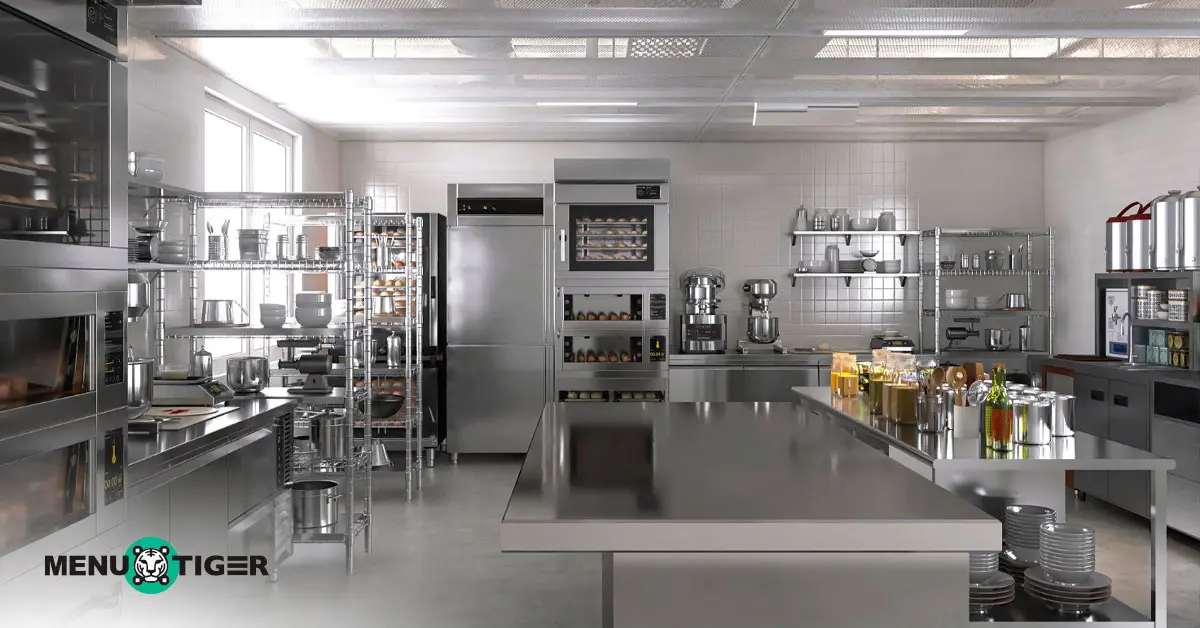
A catering kitchen or a commissary kitchen is a licensed, fully equipped commercial space that multiple food businesses use to prepare food legally without owning a facility.
How does a catering kitchen for rent work?
1. Booking time slots
Most kitchens operate on a scheduled basis, so you must reserve time slots in advance, especially peak hours like mornings and weekends, which tend to fill quickly.
Production schedules are often dedicated to availability rather than convenience.
2. Shared vs. dedicated workspaces
Shared kitchen means multiple businesses work within the same space, often using common equipment and prep areas (lower cost but requires coordination)
Private kitchens provide more control, but they are usually offered at a higher cost.
3. Equipment and storage access
One of the main advantages of renting is access to commercial-grade restaurant kitchen equipment such as ovens, stovetops, refrigeration units, and prep stations.
However, availability is not always guaranteed at all times, so you need to plan your menu and how and when you will use specific tools.
Check exactly what is included: very detailed equipment availability, reserve high-demand tools if needed, and confirm how much cold and dry storage you are allowed.
4. Compliance and kitchen rules
Catering kitchens operate under strict food safety and sanitation standards.
The importance of food safety is critical in maintaining compliance.
Follow all facility rules like labeling ingredients, cleaning your station, and exit on time to avoid penalties and scheduling conflicts.
5. Workflow and order preparation
It is highly recommended to plan your production around your booked hours: finalize orders, bring and complete all ingredients needed, and organize preparation, cooking, and packing before your slots begin.

Kitchen to rent for catering costs in 2026
Renting a kitchen for catering is generally more affordable than building or leasing a private commercial kitchen, but the actual cost varies depending on location, usage, and included facilities.
Most rental kitchens operate on flexible pricing models such as hourly rates, daily rates, or monthly memberships.
Hourly rental costs
The most common pricing structure is hourly-based access. On average, catering kitchens charge:
- $15 to $40 per hour, depending on location and equipment access (Webstaurant, 2023).
- $12–$22 per hour in small market or suburban area (UseCalcPro, 2026).
Some premium or highly equipped facilities may charge higher rates, especially in urban areas:
- $25–$65 per hour in major cities like NYC, LA, and San Francisco (UseCalcPro, 2026).
Monthly membership or subscription plans
For more established catering businesses, many kitchens offer monthly packages instead of hourly billing. These typically range from:
- $250–$1,250 per month, depending on access hours and storage inclusion (Webstaurant, 2023).
- $300–$700 per month in a small market or suburban area (UseCalcPro, 2026).
Some setups for heavier usage or prime locations may go higher, depending on demand and facility type
- $1,500–$3,500 per month in major cities like NYC, LA, and San Francisco (UseCalcPro, 2026).
Beyond base rent, review additional fees such as storage, cleaning, equipment use, and deposits. These can significantly increase your total cost.
Benefits of renting a catering kitchen
1. Lower startup costs
Instead of investing in equipment, permits, and full kitchen construction, businesses can start operating with minimal upfront capital.
2. Access to commercial-grade facilities
Rental kitchens are already equipped with professional appliances such as ovens, prep stations, refrigeration units, and sanitation areas. This allows businesses to operate at a professional kitchen standard from day one.
3. Flexibility in operations
Most catering kitchens offer hourly or monthly rental options, giving businesses the flexibility to scale usage based on demand. This is especially useful for seasonal or event-based catering operations.
4. Faster business setup
Because the infrastructure is already in place, entrepreneurs can launch their catering business much faster compared to setting up a private kitchen.
5. Scalable entry for growing food businesses
Renting a catering kitchen allows businesses to start small and expand gradually as demand increases. Instead of committing to long-term leases or heavy investments early on, owners can test their market, adjust operations, and scale kitchen usage as their orders grow.
The real challenge: Running operations in a shared kitchen
While these benefits make shared kitchens attractive, they introduce operational constraints that become more significant as businesses scale.
1. Managing multiple orders at the same time
During peak seasons, you will often handle several client orders simultaneously. These may vary in size, schedule, and preparation requirements.
Not operating like a kitchen brigade or without a structured system, it becomes easy to miss order detail, confuse special instructions, or double-book preparation time
Even small errors can affect multiple clients at once, especially when working under strict kitchen time slots.
2. Limited visibility over operations
Unlike a private kitchen where everything is centralized, shared kitchens often rely on manual coordination, such as messages, notes, or verbal updates.
This creates a gap in visibility:
- What orders are in progress?
- What has already been prepared?
- What is scheduled next?
When information is scattered, operational control becomes harder to maintain.
3. Time pressure and scheduling conflicts
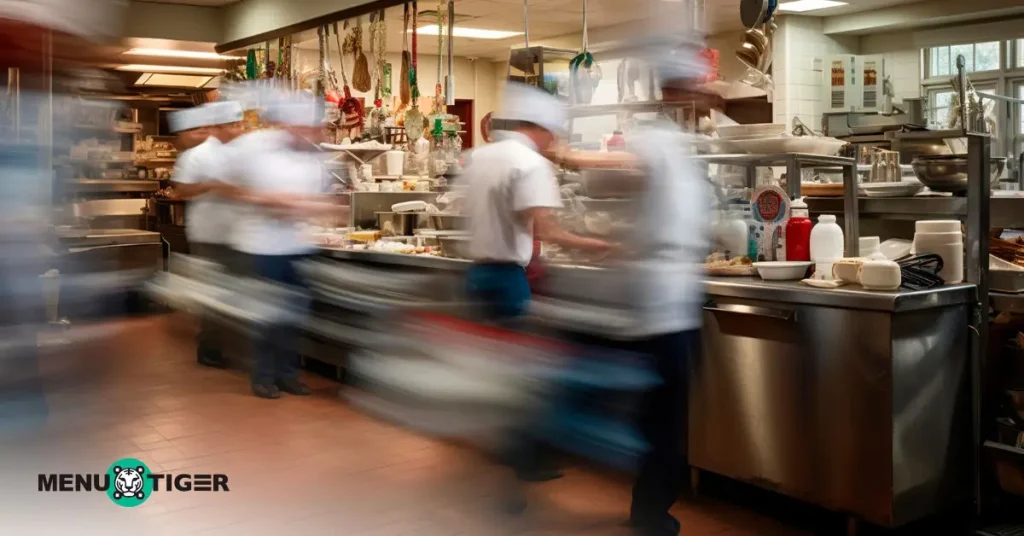
Since kitchen access is scheduled, every minute matters. Delays in preparation can create a domino effect, affecting other users' kitchen time, delivery schedules, and customer satisfaction.
This makes time management one of the most critical (and stressful) parts of the operation.
4. Communication gaps with clients and staff
Catering operations often involve multiple touchpoints: clients, kitchen staff, and delivery teams. In a shared kitchen setup, communication becomes even more fragmented.
Common issues include:
- Last-minute order changes not properly relayed
- miscommunication on quantities or instructions
- lack of real-time updates
These gaps increase the risk of errors and inefficiencies.
5. Scaling becomes difficult without structure
What works for a small catering operation quickly breaks down as demand increases. Without a structured workflow, scaling becomes difficult because manual tracking becomes overwhelming, errors become more frequent, and coordination takes more time than actual production.
At this stage, the limitation is no longer the kitchen itself. It is the lack of a proper system to manage operations.
How to efficiently run a catering business from a rented kitchen
1. Plan the order before kitchen time
Finalize menus, confirm quantities, and prioritize orders in advance.
Proper pre-planning reduces confusion and maximizes limited kitchen hours.
2. Standardize your menu and preparation process
Instead of offering highly customized items for every order, many successful catering businesses use easy food recipe, set meal packages, predefined catering bundles, and repeatable preparation workflows to reduce complexity and speed up production
3. Use a structured system for order management
As order volume increases, relying on manual coordination becomes inefficient.
Use restaurant technology that helps centralize incoming orders, preparation status, scheduling, and customer requests.
4. Organize your workflow inside the kitchen
Once inside the kitchen, time management becomes critical, which makes clear kitchen organization ideas important.
A clear workflow should be followed, such as:
- preparation stage (ingredients and setup)
- cooking stage (batch processing when possible)
- packaging and labeling
- dispatch preparation
Without a defined system, shared kitchen time can easily become inefficient and rushed.
5. Improve coordination across teams
Catering operations often involve multiple people handling preparation, cooking, and delivery. Clear coordination is essential.
Best practices include:
- assigning clear roles per task
- using centralized order information
- ensuring everyone follows the same workflow
This reduces miscommunication and keeps operations smooth.
Why digital menu ordering systems matter for catering businesses
At a certain point, this is no longer optional. As catering businesses grow, the complexity of managing operations increases significantly.
What starts as a simple process of taking orders and preparing food quickly becomes a multi-layered system.
1. Centralized order management
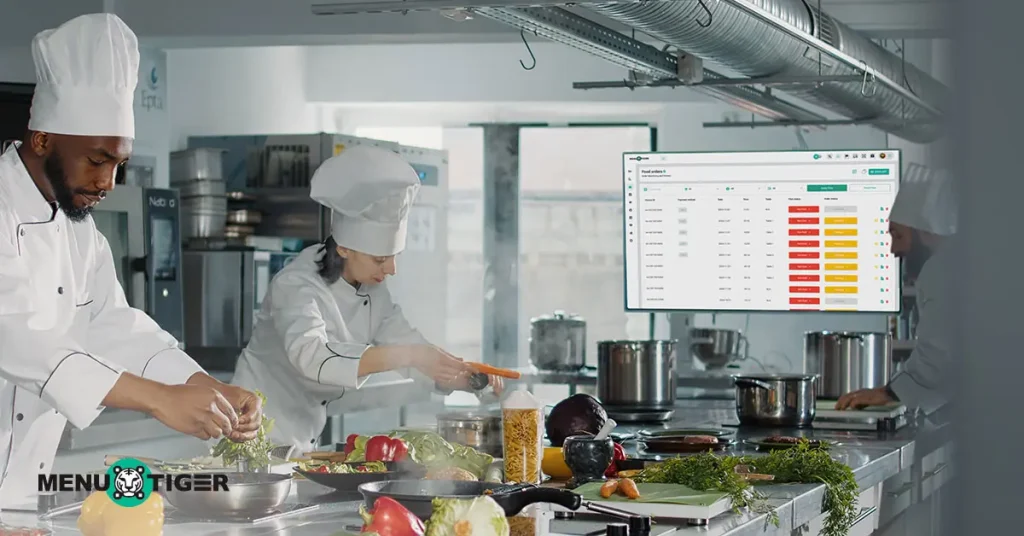
One of the biggest challenges in catering operations is fragmented order information. Orders may come from different channels such as calls, messaging apps, or manual notes.
An order management system consolidates everything into one platform, allowing businesses to:
- View all orders in one dashboard
- track order status in real time
- reduce missed or duplicated requests
This centralization improves clarity and control over daily operations.
2. Reduce human error in order processing
Manual order handling increases the risk of mistakes such as incorrect quantities, missed special instructions, or scheduling conflicts.
menu management systems minimize these risks by standardizing order entry and ensuring that all details are properly recorded and accessible to the kitchen team.
3. Better time and workflow coordination
Digital systems help businesses organize preparation schedules, order priorities, and kitchen time allocation
4. Improved communication across teams
A centralized digital ordering system ensures all team members work from the same real-time information and consistent order details.
This creates a smoother workflow, minimizes confusion, and helps prevent delays during service.
5. Scalability for growing operations
Your catering business can handle more orders, clients, and workload without everything becoming messy or inefficient.
You don’t rely on memory, paper notes, or scattered messages. Instead of hiring people just to manage orders, you can focus on hiring staff who directly support kitchen operations and service.
Keep your catering business organized as you grow.
Renting a kitchen is easy. Running it efficiently is the real challenge. Success depends on clear processes, proper preparation, and strong coordination.
Starting with a catering kitchen for rent is a smart move, but long-term growth relies on using an order management system that keeps orders, schedules, and communication organized as demand increases.
FAQs

Eulla
Eulla joined MENU TIGER’s Content Team with a foundation in English teaching. She combines language expertise and creativity to produce engaging content that educates audiences and drives meaningful results.
Affiliates





© 2026 Menu Tiger. All rights reserved